
As consumers increasingly reject artificial additives and demand clean-label transparency, natural pigments are gaining rapid momentum in the global food and beverage industry. Among them, Carotene Colorant has emerged as one of the most commercially important natural coloring agents due to its stability, safety profile, and vibrant yellow-to-orange hues.
Derived from natural sources such as plants, algae, or synthesized through controlled fermentation processes, carotene colorant provides manufacturers with a reliable alternative to synthetic dyes. But what makes carotene such a strategic ingredient for international buyers and global brands?
What Exactly Is Carotene Colorant and What Types Are Available?

Carotene colorant refers primarily to beta-carotene and related carotenoid compounds used as natural pigments in food, beverage, pharmaceutical, and cosmetic applications. Beta-carotene is widely recognized not only for its coloring capacity but also as a precursor of vitamin A.
Commercially, carotene colorant is available in oil-soluble and water-dispersible forms to accommodate different formulation systems. It may be sourced from natural plant materials such as carrots or produced via microbial fermentation for higher purity and consistency. Standardization, color value (e.g., 1%–10%), and dispersion stability are key technical parameters that global buyers evaluate when selecting a supplier.
Why Is Carotene Colorant Widely Used in Food and Beverage Applications?
Carotene provides a bright yellow to orange color that enhances visual appeal across a wide range of products, including beverages, dairy items, confectionery, bakery goods, sauces, and nutritional supplements. Its natural origin aligns strongly with clean-label reformulation initiatives in North America and Europe.
In addition to its coloring function, beta-carotene’s association with vitamin A further enhances its market positioning, although claims must comply with regional regulations. Compared with synthetic colorants, carotene offers improved consumer perception and regulatory acceptance in many countries. Its compatibility with oil-based and emulsified systems makes it particularly versatile for industrial-scale food production.

How Is High-Quality Carotene Colorant Manufactured for Export Markets?
Export-grade carotene colorant requires precise production and stabilization processes. Whether plant-derived or fermentation-based, raw materials must undergo purification, concentration, and standardization to ensure consistent color intensity and stability.
Because carotenoids are sensitive to light, heat, and oxidation, advanced encapsulation or dispersion technologies are often applied to improve shelf life and formulation compatibility. Reliable suppliers provide moisture-controlled, oxygen-resistant packaging to preserve pigment stability during global transportation. Quality control typically includes color value testing, microbial analysis, heavy metal screening, and solvent residue verification, ensuring compliance with international food safety standards.
How Does Carotene Colorant Align with Global Regulatory and Market Trends?
The global shift toward natural food additives has accelerated demand for plant-based pigments. Many countries are tightening regulations on artificial colorants, prompting manufacturers to seek safer and more consumer-friendly alternatives.
Carotene colorant is widely approved for food use in major markets, making it a practical solution for export-oriented brands. In addition, rising interest in plant-based diets and functional nutrition further supports carotene’s commercial appeal. As regulatory scrutiny intensifies and consumers prioritize ingredient transparency, carotene continues to strengthen its position in natural colorant portfolios.
Why Should Importers Partner with an Experienced Carotene Colorant Supplier?

Reliable supply, consistent color performance, and regulatory documentation are critical for international buyers. Experienced exporters offer standardized color values, customized dispersion formats, and scalable production capacity to meet diverse application needs.
Comprehensive Certificates of Analysis (CoA), technical data sheets, and regulatory support documents facilitate smooth import procedures. OEM services, flexible packaging options, and stable lead times further enhance supply chain efficiency. By partnering with a professional carotene colorant supplier, global manufacturers can secure high-quality natural pigments while minimizing procurement risk.
-
Is Carotene Colorant Positioned for Long-Term Global Growth?
With increasing global emphasis on natural ingredients and visual product appeal, carotene colorant is strategically positioned for sustained expansion across food, beverage, and supplement industries. Its functional versatility, regulatory acceptance, and strong consumer perception make it a reliable long-term solution for natural coloration needs.
For international buyers seeking export-ready, stable, and compliant natural pigments, carotene colorant represents a competitive and future-oriented sourcing choice.
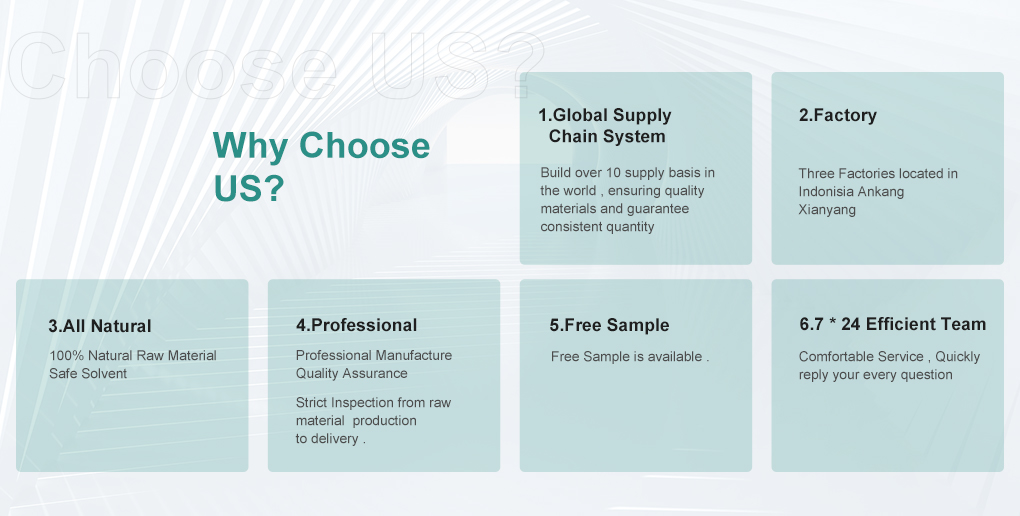
About Ruiwo:
contact us:
Address:Room 703, Ketai Building, No. 808, Cuihua South Road, Xi’an, Shaanxi, China
E-mail: info@ruiwophytochem.com
Phone: 008613484919413 0086-29-89860070
Hours: Monday-Friday: 9am to 6pm
Post time: Feb-27-2026


