
As consumers around the world spend increasing amounts of time in front of digital screens, interest in ingredients that support eye health has grown significantly. The nutraceutical industry has responded by developing a wide range of products designed to meet this demand, particularly those containing carotenoid compounds associated with visual wellness.
Among these ingredients, Lutein Ester has become increasingly popular in dietary supplements and functional nutrition products. Derived primarily from marigold flowers (Tagetes erecta), lutein ester is widely used as a stable form of lutein that can be incorporated into capsules, tablets, softgels, and functional food formulations.
For supplement manufacturers and ingredient distributors, lutein ester offers a combination of natural origin, formulation flexibility, and established market demand. As the global market for eye health products continues to expand, lutein ester remains an important raw material within the botanical ingredient supply chain.
What Is Lutein Ester and How Is It Different From Lutein?

Lutein ester is a naturally occurring carotenoid compound that is typically extracted from marigold flowers. In its natural form within plants, lutein often exists as an esterified molecule, meaning it is chemically bonded with fatty acids. This esterified structure is referred to as lutein ester.
Compared with free lutein, lutein ester is generally considered more stable during storage and processing. This stability makes it easier for manufacturers to handle during large-scale production of supplements and functional food products.
Why Is Lutein Ester Commonly Used in Eye Health Products?
Lutein is widely recognized for its presence in the macula of the human eye, where it plays a role in maintaining normal visual function. Because the body cannot produce lutein naturally, it must be obtained through diet or supplementation.
For product developers, lutein ester provides a convenient way to deliver lutein in supplement formulations. Once ingested, lutein ester can be converted into free lutein in the body, allowing it to be utilized as part of normal nutritional processes.

How Is Lutein Ester Produced from Marigold Flowers?

The production of lutein ester typically begins with marigold flower petals, which are rich in carotenoid pigments. These petals are harvested and processed to obtain a concentrated extract containing lutein esters.
After extraction, the lutein ester concentrate may be further refined and converted into different ingredient formats, such as oil suspensions, beadlets, or powder. These formats allow supplement manufacturers to select the most suitable ingredient form for their product designs.
Why Is Ingredient Stability Important for Supplement Manufacturers?
Stability is a major factor when selecting carotenoid ingredients for supplement production. Carotenoids are sensitive to environmental factors such as light, heat, and oxygen, which can reduce product quality if not properly managed.
Lutein ester offers an advantage because its esterified structure helps improve stability during storage and processing. This makes it easier for manufacturers to maintain consistent product quality throughout production and distribution.
What Types of Products Commonly Contain Lutein Ester?

Lutein ester is widely used in eye health dietary supplements, including capsules, tablets, and softgel formulations. These products are often marketed toward consumers who spend long hours using digital devices or who are interested in maintaining visual wellness.
In addition to supplements, lutein ester may also be incorporated into functional foods and beverages, as well as fortified nutritional products. Its versatility allows manufacturers to create various product formats that meet different market demands.
What Should Buyers Look for When Sourcing Lutein Ester?

When purchasing lutein ester as a raw ingredient, international buyers typically evaluate several key factors. These include raw material origin, extraction processes, product purity, and supplier reliability.
Professional ingredient suppliers usually provide technical documentation such as Certificates of Analysis (COA) and product specifications. These documents help buyers confirm lutein content, product quality, and compliance with international safety standards.
How Is the Lutein Ester Market Expected to Develop in the Future?
The global nutraceutical market continues to grow as consumers seek natural ingredients that support overall wellness. Eye health remains one of the most established and stable segments within this market.
As awareness of visual health continues to increase, demand for carotenoid ingredients such as lutein ester is expected to remain strong. For ingredient suppliers and supplement manufacturers, this trend presents ongoing opportunities for product innovation and market expansion.
As global consumers become more aware of the importance of maintaining visual health, Lutein Ester continues to play a key role in modern eye health formulations. Its natural origin, stable structure, and versatility in supplement production make it an attractive ingredient for manufacturers and product developers.
For companies seeking reliable raw material sourcing, working with an experienced botanical extract supplier is essential. High-quality lutein ester with consistent specifications can help support the development of innovative eye health products for the expanding global nutrition market.
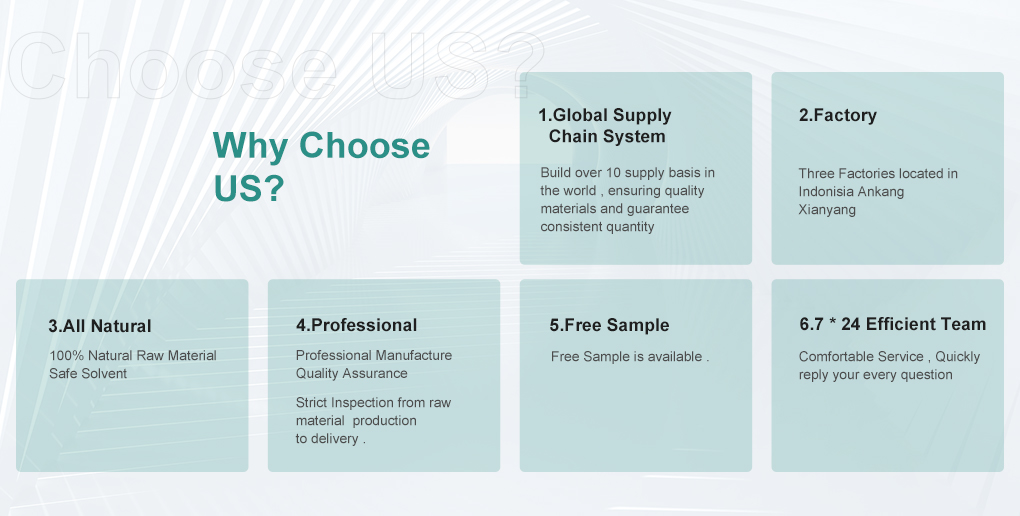
About Ruiwo:
contact us:
Address:Room 703, Ketai Building, No. 808, Cuihua South Road, Xi’an, Shaanxi, China
E-mail: info@ruiwophytochem.com
Phone: 008613484919413 0086-29-89860070
Hours: Monday-Friday: 9am to 6pm
Post time: Mar-16-2026


