
Milk thistle extract is a standardized botanical ingredient from the seeds of Silybum marianum, and silymarin is the flavonolignan complex that defines its value. This guide covers the specifications you will be quoted, the difference between 80% UV silymarin and 50% HPLC, the applications that drive demand, and how to vet a bulk milk thistle extract supplier.
What Is Milk Thistle Extract?

A standardized extract from the dried ripe fruit (commonly the seed) of Silybum marianum (Asteraceae), measured against its silymarin content - a group of polyphenolic flavonolignans.
Key Applications
Dietary supplements
Capsules, tablets, softgels, gummies; silymarin 80% is the standard input. Common blends: artichoke, dandelion, NAC, choline, berberine, turmeric.
Functional food & beverages
Stick packs, powders, shots, RTD drinks; needs water-soluble silymarin plus flavor masking (citrus/berry against bitterness).
Cosmetics
INCI Silybum marianum extract, used as an antioxidant in serums, creams and sun-care.
Pet & animal nutrition
Chewables, powders, liquids for dog/cat liver support, plus equine and livestock.

Benefits

• Antioxidant - flavonolignans are well documented free-radical scavengers in lab studies.
• Liver support - traditionally used and widely studied, but clinical results across liver conditions are mixed; claims must stay within local rules (EFSA has not authorized general liver-detox claims).
• Skin - topical silymarin has been studied for antioxidant and UV-protective effects.
• Metabolic markers - some trials report lipid/glycemic improvements in specific populations; not generalizable into claims.
Quality, Compliance & Supplier Vetting
A credible COA should state: assay % with method (UV or HPLC) + chromatogram; identity; heavy metals (Pb, As, Cd, Hg); residual solvents (USP <467>); microbiology (TPC, yeast/mold, E. coli, Salmonella); physical data (particle size, solubility, moisture); plus pesticides, non-GMO and non-irradiated statements. Ask for ISO 9001 / ISO 22000 / FSSC 22000, HACCP, GMP, HALAL, KOSHER; for US-bound supplements, confirm NDI status.
Frequently Asked Questions
1.What is milk thistle extract good for?
Mainly as an antioxidant ingredient in liver-support supplements, and increasingly in functional beverages and antioxidant skincare.
2.Silymarin 80% vs 50%?
Usually the same material by different methods: 80% is typically UV (total flavonolignans); 50% is typically HPLC (resolved flavonolignans). Confirm the method.
3.Silymarin vs silybin?
Silymarin is the whole complex; silybin (silibinin) is the main molecule within it. Silybin 60–98% is a separate, purified grade.
4.Is it water-soluble?
Native silymarin is poorly soluble; a water-soluble silymarin grade exists for beverages and instant powders - specify it.
5.Typical silymarin dosage?
Common commercial label doses run roughly 140–420 mg/day; follow your market's regulations and your formulation.
6.Is it safe?
Oral milk thistle is generally well tolerated; mild digestive symptoms are most commonly reported.
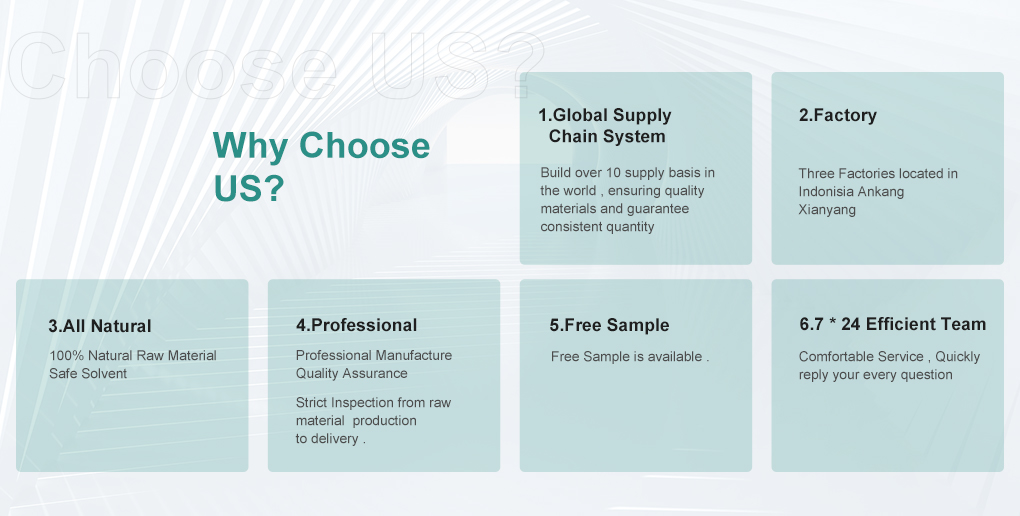
About Ruiwo:
contact us:
Address:Room 703, Ketai Building, No. 808, Cuihua South Road, Xi’an, Shaanxi, China
E-mail: info@ruiwophytochem.com
Phone: 008613484919413 0086-29-89860070
Hours: Monday-Friday: 9am to 6pm
Post time: Oct-12-2026


