
Ocimum Tenuiflorum Extract is increasingly used in stress-support and wellness formulations. However, many finished products fail to meet expectations—not because the ingredient lacks potential, but because of poor standardization, weak formulation compatibility, or unstable supply quality.
So the real issue is not whether to use Holy Basil Extract, but:
Are you using the right type, quality, and specification for your product?
What Is Ocimum Tenuiflorum Extract and Why Is It Considered an “Adaptogen”?

Ocimum Tenuiflorum Extract is derived from the leaves of Ocimum tenuiflorum, a botanical widely used in traditional herbal systems. It contains a range of bioactive compounds such as eugenol, ursolic acid, and rosmarinic acid, which together form its functional profile.
Unlike single-compound ingredients, this extract works as a multi-component system, which is why it is often categorized as an “adaptogen.” This means it is typically positioned in formulations designed for balance-oriented or lifestyle-focused products, rather than targeting a single, isolated function.
From a product development perspective, this multi-component nature can be both an advantage and a challenge. While it allows for broader application positioning, it also makes standardization and consistency more difficult to control, which directly affects product reliability.
Why Do Some Holy Basil Extracts Show Weak or Inconsistent Performance?
One of the most common issues buyers encounter is that different batches of extract deliver noticeably different results. This inconsistency is often caused by variations in raw material quality, harvesting conditions, and extraction processes.
Unlike synthetic ingredients, plant-based extracts are inherently variable. If the supplier does not implement strict raw material selection and standardized processing, the levels of key compounds can fluctuate significantly, leading to unpredictable product performance.
In addition, some extracts lack clearly defined marker compounds. Without specific indicators such as eugenol or ursolic acid content, it becomes difficult to evaluate whether two batches are truly equivalent. This lack of transparency can create long-term risks for product stability and brand consistency.
Why Does Holy Basil Extract Taste Too Strong or Difficult to Formulate?

Taste and aroma are often underestimated challenges when working with botanical extracts. Ocimum Tenuiflorum naturally contains volatile compounds that contribute to its strong herbal profile, which can become problematic in certain applications.
In capsules, this is usually not an issue, as the extract is enclosed. However, in beverages, gummies, or powders, the taste becomes directly noticeable. If not properly processed, the extract may introduce bitterness or a lingering herbal aftertaste that is difficult to mask.
Advanced processing techniques, such as purification or partial component adjustment, can help reduce these sensory challenges. This is why choosing a supplier with application-oriented processing capabilities is critical when developing consumer-friendly products.
Why Does the Same Extract Work in Capsules but Fail in Beverages?
This is a common frustration in product development. The core reason lies in the difference between closed systems (capsules) and open systems (foods and beverages).
In capsules, the extract does not need to dissolve or interact with other ingredients. Stability, taste, and dispersion are less critical. However, in beverages, the extract must dissolve evenly, remain stable over time, and maintain a consistent appearance.
If the extract has poor solubility or contains insoluble fractions, it may lead to sedimentation or cloudiness. Additionally, interactions with other ingredients can affect both stability and taste. This makes it essential to select an extract specifically optimized for the intended application.
How Can You Tell If an Extract Is Truly “Standardized”?
Many products in the market are labeled simply as “Holy Basil Extract,” but this does not necessarily mean they are standardized.
A truly standardized extract should clearly define:
- The content of key active compounds
- The testing method used
- Acceptable variation ranges between batches
Without this information, it is difficult to ensure consistency across production cycles. Buyers should look for extracts that provide transparent specifications and validated testing data, rather than relying on general descriptions.
Are You Overlooking Supply Stability and Long-Term Consistency?
Another hidden risk in sourcing botanical extracts is supply chain instability. Since Ocimum tenuiflorum is an agricultural product, factors such as climate, harvest cycles, and regional differences can affect both availability and quality.
If a supplier lacks strong raw material control or inventory management, it may lead to fluctuations in supply or quality inconsistencies between batches. This can disrupt production schedules and create challenges in maintaining product uniformity.
Establishing a relationship with a supplier that offers stable sourcing, controlled production, and consistent batch quality is essential for long-term product success.
Is Ocimum Tenuiflorum Extract Limited to “Stress Support” Products?
While commonly associated with stress-support formulations, the application potential of this extract is broader than a single category.
Its plant-based origin and traditional background make it suitable for a variety of product concepts, including daily wellness blends, functional beverages, and lifestyle-oriented products. It can also be combined with other botanical extracts to create differentiated formulations.
This flexibility allows brands to position the ingredient in multiple ways, making it a versatile component in modern product development, rather than a narrowly defined functional ingredient.
What Should You Prioritize When Selecting a Supplier?

When choosing a supplier, focusing only on price or basic specifications can lead to long-term issues.
Instead, buyers should evaluate:
- Whether the extract is truly standardized
- Whether it performs well in the intended application
- Whether the supplier can ensure stable supply and consistent quality
A reliable supplier should not only provide raw materials but also support your product development process with technical insight and application guidance.
-
Are You Buying an Extract—or a Risk?
Ocimum Tenuiflorum Extract offers strong potential, but its performance depends heavily on how it is sourced, processed, and applied.
Choosing the wrong specification can create challenges that affect product quality, consumer experience, and brand reputation. In contrast, selecting the right extract can enhance both formulation performance and market competitiveness.
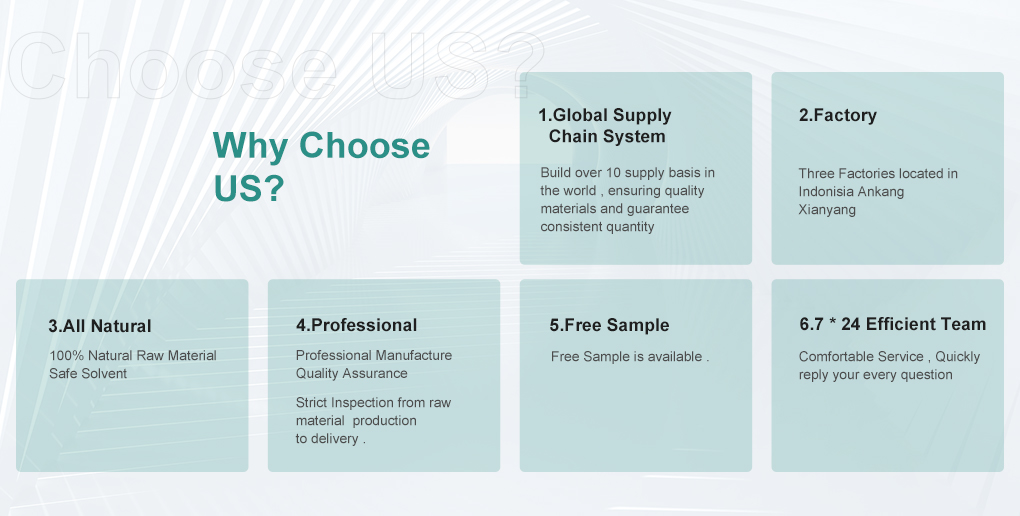
About Ruiwo:
contact us:
Address:Room 703, Ketai Building, No. 808, Cuihua South Road, Xi’an, Shaanxi, China
E-mail: info@ruiwophytochem.com
Phone: 008613484919413 0086-29-89860070
Hours: Monday-Friday: 9am to 6pm
Post time: Mar-25-2026


