
As demand for botanical ingredients continues to grow, Kudzu Root Extract has attracted attention in the dietary supplement and natural ingredient industries. Derived from the root of Pueraria lobata, a plant native to East Asia, kudzu has a long history of use in traditional herbal practices.
Today, modern research is increasingly focused on its natural compounds, particularly isoflavones. For ingredient manufacturers and buyers, understanding its composition, applications, and quality requirements is essential when selecting a suitable Kudzu Root Extract supplier.

What Is Kudzu Root Extract?
Kudzu Root Extract is obtained from the roots of Pueraria lobata, also known as kudzu or Chinese arrowroot. The plant is a member of the legume family (Fabaceae).
The root contains several naturally occurring compounds, including starch, flavonoids, and isoflavones. Its chemical composition can vary depending on the botanical source, harvesting conditions, and extraction process.
Unlike ordinary kudzu root powder, a standardized kudzu extract is processed to achieve a specified concentration of selected compounds. This makes the extract more suitable for applications requiring consistent ingredient specifications.
Key Active Compounds in Kudzu Root Extract
The main compounds attracting scientific and commercial interest in kudzu root are its isoflavones.
Three commonly studied compounds include:
- Puerarin: A characteristic isoflavone C-glycoside and one of the major compounds associated with kudzu root.
- Daidzin: A naturally occurring isoflavone glycoside also found in several leguminous plants.
- Daidzein: An isoflavone aglycone that occurs naturally in kudzu and other botanical sources.
These compounds are frequently studied for their antioxidant and other biological activities. However, laboratory findings should not be interpreted as proof that a commercial extract can prevent or treat human diseases.
For manufacturers, the relative content of these compounds is an important consideration when comparing different Kudzu Root Extract specifications.
Applications of Kudzu Root Extract
Kudzu Root Extract is used in the development of different botanical ingredient products.
Dietary Supplements
Kudzu extract is considered for botanical supplement formulations, including capsules, tablets, and powder blends. Its isoflavone profile makes it an ingredient of interest in plant-based product development.
Functional Food Products
Depending on local regulations and formulation requirements, kudzu-derived ingredients may be evaluated for selected functional food applications.
Botanical Ingredient Development
Kudzu root is also relevant to botanical research and natural ingredient development. Its characteristic isoflavones provide opportunities for further investigation into plant-derived compounds and their potential applications.
The suitability of any application depends on the extract specification, safety evaluation, and regulations of the target market.


Choosing a Reliable Kudzu Root Extract Supplier
A dependable botanical ingredient supplier should provide more than a product quotation. Buyers should also consider raw material sourcing, laboratory testing capabilities, quality management, and communication efficiency.
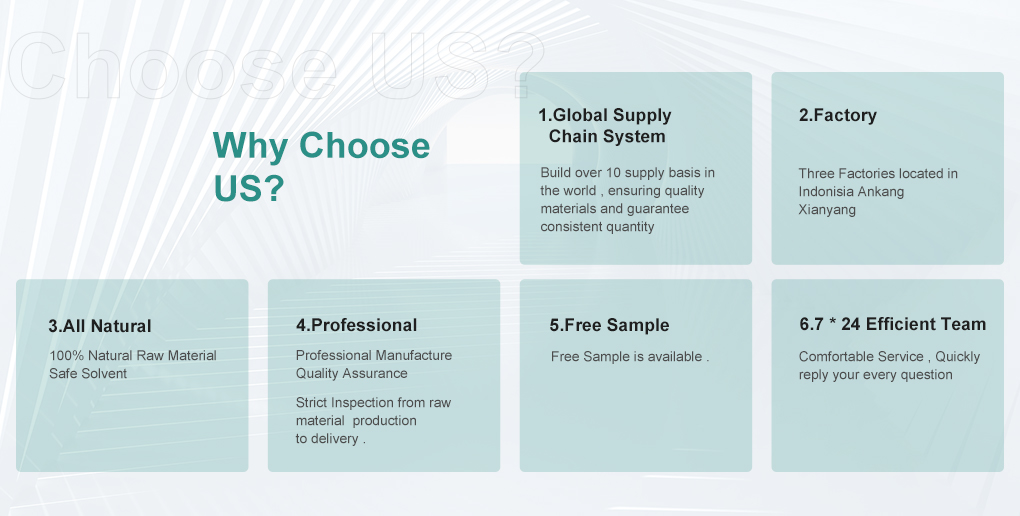
Shaanxi Ruiwo Phytochem Co., Ltd. specializes in natural plant extracts and botanical ingredients. Established in 2016, Ruiwo integrates research and development, production, sales, and technical services.
Our laboratory is equipped with TLC, HPLC, UV, GC, and microbiological testing instruments. We also cooperate with third-party testing organizations, including SGS, Eurofins, Leon Testing, and PONY Testing.
Through raw material evaluation, production-stage monitoring, and finished-product quality control, Ruiwo aims to provide reliable ingredient sourcing and quality documentation for international B2B customers.
If you are sourcing Kudzu Root Extract, reviewing the product's active compound specifications and batch testing information is a practical starting point for selecting the right ingredient.
Conclusion
Kudzu Root Extract is an important botanical ingredient derived from Pueraria lobata, with puerarin and other isoflavones being its characteristic compounds. Understanding its botanical identity, active ingredient profile, analytical methods, and quality documentation helps manufacturers make better sourcing decisions.
For buyers seeking a reliable botanical ingredient partner, product transparency and consistent quality management should remain key priorities.
Contact Ruiwo Phytochem to discuss your botanical ingredient requirements and request product specifications.
FAQ
1. What is Kudzu Root Extract made from?
It is derived from the root of Pueraria lobata, a leguminous plant commonly known as kudzu.
2. What is the main active compound in Kudzu Root Extract?
Puerarin is one of the characteristic isoflavones in kudzu root. Daidzin and daidzein are also naturally occurring compounds.
3. How is the puerarin content tested?
HPLC is commonly used to identify and quantify puerarin in kudzu root extract. Buyers should check the supplier's testing method and batch COA.
4. What is the difference between Kudzu Root Powder and Kudzu Root Extract?
Kudzu root powder is generally made by drying and grinding the root, while an extract is processed to concentrate selected plant constituents. Their composition and active compound content can differ significantly.
5. What should buyers check before purchasing Kudzu Root Extract?
Buyers should confirm the botanical identity, puerarin or isoflavone content, extraction ratio or standardization, analytical method, contaminant limits, and batch-specific COA.
About Ruiwo:
contact us:
Address:Room 703, Ketai Building, No. 808, Cuihua South Road, Xi’an, Shaanxi, China
E-mail: info@ruiwophytochem.com
Phone: 008613484919413 0086-29-89860070
Hours: Monday-Friday: 9am to 6pm
Post time: Nov-12-2026


