
As modern life becomes faster and more demanding, consumers across the world are paying closer attention to daily balance and long-term wellbeing. Rather than looking for quick fixes, many people now prefer natural, plant-based ingredients that can be used as part of everyday routines. This shift has driven renewed interest in traditional herbs that have been used for generations and are now supported by modern processing methods.
Rhodiola Rosea Extract has emerged as one of these highly valued botanical ingredients. Known for its origin in cold, high-altitude regions and its long history of traditional use, Rhodiola rosea has gained recognition among supplement brands, functional food developers, and global ingredient buyers. Its natural story, combined with modern extraction technology, makes it a strong candidate for today’s wellness-focused market.
What Is Rhodiola Rosea Extract?

Rhodiola Rosea Extract is a natural botanical ingredient derived from the root of the Rhodiola rosea plant. This perennial herb grows in some of the world’s most challenging environments, including mountainous and cold regions of Europe and Asia. For centuries, the plant has been collected and used in traditional practices, especially in Northern and Eastern cultures where harsh climates were part of daily life.
In modern production, Rhodiola rosea roots are carefully processed using controlled extraction methods to concentrate selected natural components into a stable form, usually a fine powder. Compared with raw root powder, the extract offers greater consistency, easier handling, and improved suitability for large-scale manufacturing. This allows manufacturers to incorporate Rhodiola extract into various formulations with predictable quality.
Today, Rhodiola Rosea Extract is widely used as a botanical ingredient rather than a traditional herb alone. Its transition from wild plant to standardized extract reflects how traditional ingredients can adapt to modern market demands while maintaining their natural identity.
Why Has Rhodiola Rosea Been Traditionally Valued Across Cultures?
Rhodiola rosea has a long history of traditional use in regions where environmental conditions are tough and unpredictable. In mountainous and cold climates, people relied heavily on plants that could survive extreme weather, and Rhodiola rosea became associated with resilience and endurance. Over time, this reputation helped the plant gain cultural significance in various traditional systems.
In these cultures, Rhodiola was not viewed as a short-term remedy but rather as a supportive plant used regularly as part of daily life. This traditional perspective aligns closely with modern wellness concepts that emphasize balance, adaptability, and long-term lifestyle support rather than immediate results.
As global interest in traditional knowledge has grown, Rhodiola rosea’s historical background has become an important part of its market appeal. Consumers today are drawn to ingredients with stories rooted in tradition, especially when those stories reflect strength and adaptability. This cultural heritage continues to support Rhodiola rosea’s popularity in modern wellness products.

What Are the Main Natural Components Found in Rhodiola Rosea Extract?
Rhodiola Rosea Extract naturally contains a range of plant-based compounds that are commonly referenced when discussing the plant’s value. Among these are rosavins, salidroside, and various phenolic compounds, which are characteristic of Rhodiola rosea roots. These components contribute to the plant’s recognition in both traditional and modern contexts.
Rather than focusing on a single compound, Rhodiola extract is often appreciated for its overall natural profile. The balance of different plant substances reflects how the herb has traditionally been used—as a whole, rather than as an isolated element.
From a market perspective, these natural components support Rhodiola rosea’s positioning as a gentle and adaptable botanical ingredient. This balanced composition makes it suitable for products designed for regular use, aligning well with consumer preferences for plant-based solutions that integrate smoothly into daily routines.
How Is Rhodiola Rosea Extract Commonly Used in Dietary Supplements?
In the dietary supplement industry, Rhodiola Rosea Extract is commonly found in capsules, tablets, and powdered blends. Its powdered form allows for easy measurement, blending, and encapsulation, making it practical for manufacturers working with standardized formulations.
Rhodiola extract is often included in products positioned around modern lifestyle needs, such as daily energy, focus, or balance. It is frequently combined with other botanical ingredients to create multi-ingredient formulas that appeal to consumers looking for comprehensive wellness solutions.
From a formulation standpoint, Rhodiola Rosea Extract is valued for its compatibility with a wide range of ingredients. Its relatively neutral sensory profile makes it easier to include without strongly affecting taste or texture, especially in capsule or tablet products. This flexibility has contributed to its widespread adoption in the global supplement market.
Why Is Rhodiola Rosea Extract Popular in Stress-Relief and Lifestyle Products?

Modern consumers often look for ingredients that align with busy, high-pressure lifestyles. Rather than seeking products aimed at specific conditions, many people prefer ingredients that support overall balance and daily resilience. Rhodiola Rosea Extract has become popular in this context due to its long-standing association with adaptability and endurance.
Lifestyle-focused products such as daily wellness supplements, work-life balance formulas, and plant-based blends often include Rhodiola extract as a key botanical component. Its traditional background helps communicate a sense of reliability, while its natural origin supports clean-label and plant-based positioning.
From a branding perspective, Rhodiola Rosea Extract offers strong storytelling value. Its origin in cold, high-altitude regions naturally connects to themes of strength and resilience, which resonate well with modern wellness narratives. This makes it especially attractive for brands targeting professionals, active individuals, and consumers interested in long-term lifestyle support rather than short-term solutions.
What Market Opportunities Exist for Rhodiola Rosea Extract in the Coming Years?
Looking ahead, Rhodiola Rosea Extract is well positioned for continued growth across multiple industries. The global shift toward preventive wellness, plant-based nutrition, and natural lifestyle products creates a favorable environment for botanical ingredients with strong traditional roots.
Opportunities extend beyond supplements into functional foods, beverages, and even beauty-from-within concepts. As consumers seek holistic approaches to wellbeing, ingredients that can be applied across different product categories become increasingly valuable.
At the same time, sustainability and responsible sourcing are becoming more important purchasing criteria. Suppliers who invest in traceability, ethical harvesting, and modern extraction technology are likely to gain a competitive advantage. With its versatility, market recognition, and natural appeal, Rhodiola Rosea Extract is expected to remain a strong performer in the global ingredient market.
Rhodiola Rosea Extract represents the perfect balance between tradition and modern innovation. Its long history of use, combined with today’s advanced processing methods, makes it a reliable and attractive ingredient for global brands. Whether used in supplements, functional foods, or lifestyle-focused products, Rhodiola rosea continues to meet the evolving needs of health-conscious consumers.
For manufacturers and buyers seeking a plant-based ingredient with strong market recognition and broad application potential, Rhodiola Rosea Extract offers long-term value and commercial opportunity.
- Reference
-
-
Panossian, A., Wikman, G. Effects of Adaptogens on the Central Nervous System. Pharmaceuticals.
-
Brown, R. P., et al. Traditional Uses of Rhodiola rosea. HerbalGram.
-
European Medicines Agency (EMA). Assessment Report on Rhodiola rosea.
-
Global Botanical Ingredient Market Report, Nutraceuticals World.
-
Herbal Medicine: Biomolecular and Clinical Aspects, CRC Press.
-
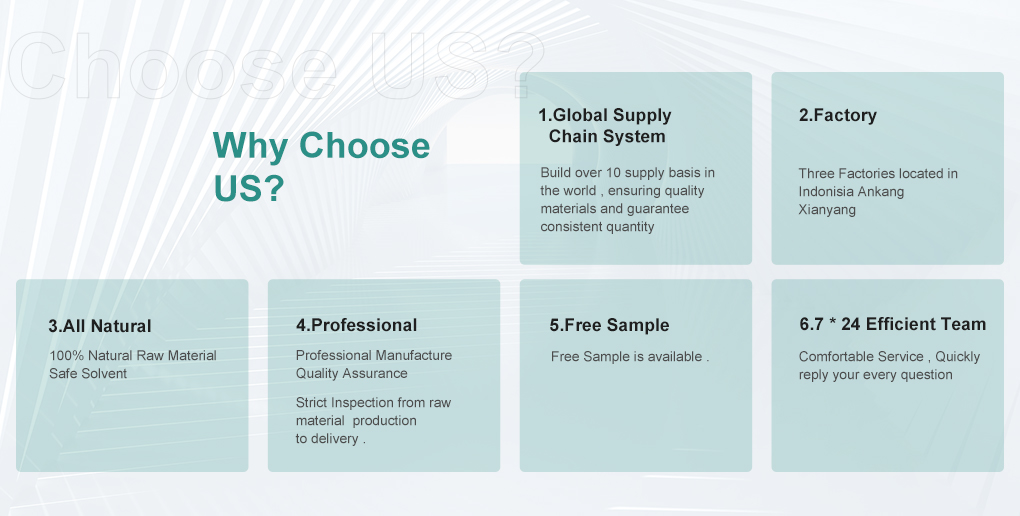
About Ruiwo:
contact us:
Address:Room 703, Ketai Building, No. 808, Cuihua South Road, Xi’an, Shaanxi, China
E-mail: info@ruiwophytochem.com
Phone: 008613484919413 0086-29-89860070
Hours: Monday-Friday: 9am to 6pm
Post time: Dec-22-2025


