
As interest in plant-based ingredients continues to expand, some botanicals stand out because they combine a long history of traditional use with substantial scientific and regulatory research. Ivy Leaf Extract, derived from the leaves of Hedera helix L., is one such ingredient.
Commonly known as English ivy or common ivy, Hedera helix is an evergreen climbing plant belonging to the Araliaceae family. Ivy leaf preparations have been investigated for many years, particularly in relation to respiratory formulations and productive cough. The European Medicines Agency (EMA) has established a European Union herbal monograph for ivy leaf preparations, reflecting its recognized position within European herbal medicine. European Medicines Agency (EMA)
For manufacturers and B2B ingredient buyers, however, the value of Ivy Leaf Extract goes beyond its traditional reputation. Botanical identity, extraction conditions, marker compounds, analytical testing, batch consistency, and regulatory requirements all need to be considered when selecting an extract for commercial applications.
What Is Ivy Leaf Extract?

Ivy Leaf Extract is obtained from the leaves of Hedera helix L. through an extraction process designed to transfer selected plant constituents into a suitable solvent system.
Depending on the manufacturing process and intended application, ivy leaf can be prepared as liquid, soft, or dry extracts. The EMA describes ivy leaf preparations as products obtained by extracting plant material with a solvent, followed by partial or complete removal of the solvent when producing concentrated or dried preparations. European Medicines Agency (EMA).
Why Is Ivy Leaf Associated With Respiratory Products?
The best-known commercial and medicinal application of ivy leaf is its association with respiratory and cough preparations.
The EMA's herbal monograph recognizes certain ivy leaf preparations as expectorants for productive cough. This regulatory recognition applies to defined herbal preparations and should not be interpreted as a general health claim for every ivy extract available on the market. European Medicines Agency (EMA)
Scientific research has explored several potential mechanisms. Laboratory studies have investigated the effects of ivy-derived constituents on airway-related pathways, including β2-adrenergic receptor signaling. These findings provide useful scientific background, but laboratory mechanisms should not automatically be interpreted as equivalent to clinical outcomes in humans. PubMed Central (PMC)
Clinical evidence has also been reviewed. An updated systematic review published in Phytomedicine evaluated randomized controlled trials, controlled clinical trials, and observational studies involving ivy leaf preparations for acute upper respiratory tract infections and bronchitis. The review found generally favorable outcomes, but also emphasized limitations in study quality and uncertainty about the clinical importance of some effects.

Which Compounds Make Ivy Leaf Extract Special?
One of the most interesting characteristics of Hedera helix is its complex phytochemical profile.
Triterpenoid saponins are among the major characteristic compounds found in ivy leaves. Important compounds include hederacoside C, α-hederin, and hederagenin, while other reported constituents include flavonoids, phenolic acids, coumarins, polyacetylenes, and sterols. PubMed Central (PMC)
Hederacoside C
Hederacoside C is particularly important from a quality-control perspective. It is recognized as a pharmacopoeial marker for ivy leaf preparations and is commonly used in analytical evaluation of ivy materials.
For manufacturers, this makes hederacoside C useful when comparing raw materials or monitoring consistency between production batches.
α-Hederin
α-Hederin is another extensively studied triterpenoid saponin in ivy leaf. Scientific research has investigated its interaction with β2-adrenergic receptor-related pathways, providing one possible explanation for some of the biological effects observed in experimental studies. PubMed Central (PMC)
However, it is important to distinguish between research on an isolated compound and evidence obtained from a complete botanical extract. A standardized extract contains multiple constituents, and its properties cannot necessarily be predicted from one compound alone.
Other Phytochemicals
Research has also identified compounds such as chlorogenic and caffeic acids, rutin, quercetin, kaempferol, and other polyphenolic constituents in Hedera helix. PubMed Central (PMC)
This diverse chemical profile is one reason ivy leaf continues to attract interest in phytochemical research.
Which Compounds Make Ivy Leaf Extract Special?
One of the most interesting characteristics of Hedera helix is its complex phytochemical profile.
Triterpenoid saponins are among the major characteristic compounds found in ivy leaves. Important compounds include hederacoside C, α-hederin, and hederagenin, while other reported constituents include flavonoids, phenolic acids, coumarins, polyacetylenes, and sterols. PubMed Central (PMC)
Hederacoside C
Hederacoside C is particularly important from a quality-control perspective. It is recognized as a pharmacopoeial marker for ivy leaf preparations and is commonly used in analytical evaluation of ivy materials.
For manufacturers, this makes hederacoside C useful when comparing raw materials or monitoring consistency between production batches.
α-Hederin
α-Hederin is another extensively studied triterpenoid saponin in ivy leaf. Scientific research has investigated its interaction with β2-adrenergic receptor-related pathways, providing one possible explanation for some of the biological effects observed in experimental studies. PubMed Central (PMC)
However, it is important to distinguish between research on an isolated compound and evidence obtained from a complete botanical extract. A standardized extract contains multiple constituents, and its properties cannot necessarily be predicted from one compound alone.
Other Phytochemicals
Research has also identified compounds such as chlorogenic and caffeic acids, rutin, quercetin, kaempferol, and other polyphenolic constituents in Hedera helix. PubMed Central (PMC)
This diverse chemical profile is one reason ivy leaf continues to attract interest in phytochemical research.
What Is The Future Of Ivy Leaf Extract?
One of the most interesting characteristics of Hedera helix is its complex phytochemical profile.
Triterpenoid saponins are among the major characteristic compounds found in ivy leaves. Important compounds include hederacoside C, α-hederin, and hederagenin, while other reported constituents include flavonoids, phenolic acids, coumarins, polyacetylenes, and sterols. PubMed Central (PMC)
Hederacoside C
Hederacoside C is particularly important from a quality-control perspective. It is recognized as a pharmacopoeial marker for ivy leaf preparations and is commonly used in analytical evaluation of ivy materials.
For manufacturers, this makes hederacoside C useful when comparing raw materials or monitoring consistency between production batches.
α-Hederin
α-Hederin is another extensively studied triterpenoid saponin in ivy leaf. Scientific research has investigated its interaction with β2-adrenergic receptor-related pathways, providing one possible explanation for some of the biological effects observed in experimental studies. PubMed Central (PMC)
However, it is important to distinguish between research on an isolated compound and evidence obtained from a complete botanical extract. A standardized extract contains multiple constituents, and its properties cannot necessarily be predicted from one compound alone.
Other Phytochemicals
Research has also identified compounds such as chlorogenic and caffeic acids, rutin, quercetin, kaempferol, and other polyphenolic constituents in Hedera helix. PubMed Central (PMC)
This diverse chemical profile is one reason ivy leaf continues to attract interest in phytochemical research.
How Is Ivy Leaf Extract Produced?
Producing a consistent botanical extract begins with appropriate raw-material control.
After botanical identification and raw-material inspection, the leaves undergo an extraction process designed to obtain the desired phytochemical profile. Depending on the target specification, the extraction may involve water, ethanol, or other appropriate extraction systems.
The resulting extract may then be concentrated, dried, milled, and packaged.
From an industrial perspective, several variables can influence the final product:
Raw Material:
Geographical origin, growing conditions, harvest stage, drying, and storage can affect the chemical profile of botanical material.
Extraction Conditions:
Solvent selection, extraction ratio, temperature, and processing time can influence the compounds transferred into the extract.
Drying Process:
Drying conditions can influence moisture, powder characteristics, stability, and the retention of certain constituents.
Standardization:
A defined marker-compound specification can help manufacturers monitor consistency between batches.
Because different extraction processes can produce chemically different products, buyers should avoid assuming that all products labeled Hedera helix Extract are equivalent.
What Quality Parameters Should Buyers Consider?
For B2B customers, quality control is one of the most important considerations when purchasing botanical ingredients.
A professional evaluation of Ivy Leaf Extract may include several levels of testing.
1. Botanical Identification
The supplier should be able to clearly identify the botanical species as Hedera helix L. and specify the plant part used.
2. Chemical Analysis
HPLC and other chromatographic techniques may be used to identify or quantify characteristic constituents such as hederacoside C.
A clearly defined analytical method makes it easier to compare batches and suppliers.
3. Microbiological Testing
Botanical ingredients can require microbiological testing according to the intended application and market requirements.
4. Contaminant Control
Depending on the specification, testing may include heavy metals, pesticide residues, mycotoxins, or other relevant contaminants.
5. Physical Specifications
Appearance, color, odor, moisture, particle size, solubility, and bulk density may also be relevant for manufacturers working with dry extracts.
6. Documentation
For commercial projects, buyers may request a Certificate of Analysis (COA), product specification, safety documentation, origin information, allergen information, and other regulatory documents.
A reliable supplier should be able to communicate clearly about these parameters rather than simply providing a product name and price.
Where Can Ivy Leaf Extract Be Used?
The primary area associated with ivy leaf preparations is respiratory and cough-related formulations.
Depending on local regulations, formulation requirements, and the type of extract, ivy leaf preparations may be incorporated into products such as:
Herbal syrups
Oral liquid preparations
Tablets
Capsules
Botanical formulations
Other specialized herbal products
However, the appropriate application depends on the specific extract, its specification, dosage form, and regulatory status in the target market.
For international B2B manufacturers, this is especially important because the regulatory classification of a botanical ingredient can vary significantly between countries.
A product intended for a pharmaceutical or traditional herbal medicine market may require a different specification and documentation package from an ingredient intended for another type of application.
What Is The Future Of Ivy Leaf Extract?
The continued interest in Ivy Leaf Extract reflects a broader trend toward scientifically researched botanical ingredients.
Consumers are increasingly familiar with plant-based products, while manufacturers are looking for ingredients that combine botanical identity, technical specifications, research support, and consistent quality.
At the same time, the botanical industry is moving toward greater transparency. Instead of relying only on traditional descriptions, manufacturers increasingly need to understand the relationship between raw materials, extraction methods, chemical markers, analytical testing, and finished-product performance.
The EMA's ongoing work around the ivy leaf herbal monograph also demonstrates that botanical medicines remain an active area of scientific and regulatory evaluation. European Medicines Agency (EMA)
For ingredient suppliers and manufacturers, this creates opportunities to develop more clearly characterized botanical ingredients supported by appropriate analytical and technical documentation.
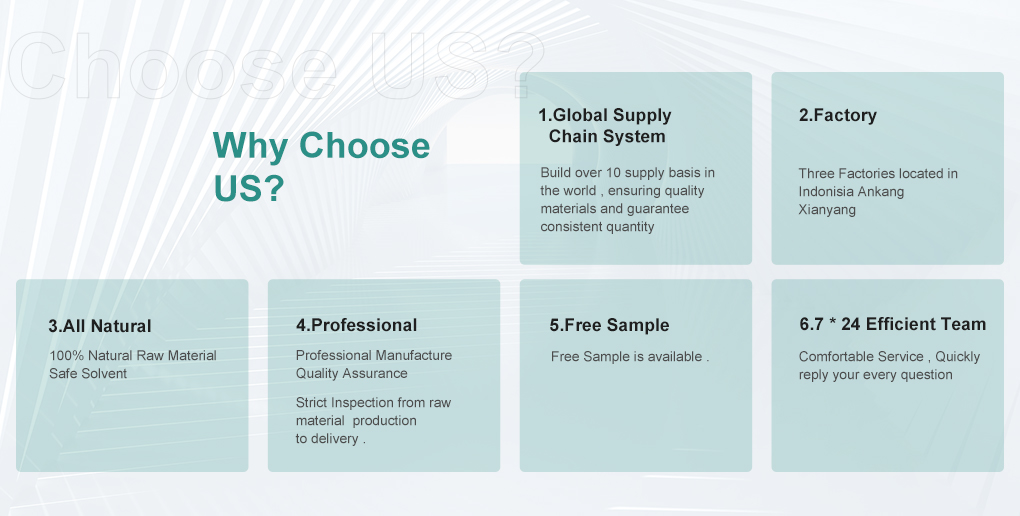
About Ruiwo:
contact us:
Address:Room 703, Ketai Building, No. 808, Cuihua South Road, Xi’an, Shaanxi, China
E-mail: info@ruiwophytochem.com
Phone: 008613484919413 0086-29-89860070
Hours: Monday-Friday: 9am to 6pm
Post time: Oct-14-2026


