
Aloe Vera Extract is a plant-derived ingredient obtained from the inner gel or whole leaf of Aloe barbadensis Miller. Through controlled extraction and concentration processes, the naturally occurring polysaccharides, organic acids, and minor phytochemicals are preserved in a stable extract form suitable for industrial applications.
Compared with fresh aloe gel, aloe vera extract offers better consistency, longer shelf life, and easier formulation control. Its neutral appearance, mild botanical profile, and broad compatibility make it a widely used ingredient across cosmetic, food, and wellness-related formulations. As a plant-based and consumer-recognized ingredient, aloe vera extract aligns well with clean-label and natural positioning strategies.
What Makes Aloe Vera Extract A Widely Used Botanical Ingredient?

One key advantage of aloe vera extract lies in its versatility. It can be standardized to different concentrations depending on application needs, allowing manufacturers to use it flexibly in various product formats without changing the core formulation structure.
In addition, aloe vera has long-standing global recognition. This familiarity helps brands reduce consumer education costs while maintaining a natural and plant-based image. For product developers, aloe vera extract serves as a reliable “foundation ingredient” that integrates smoothly into both new and existing product lines.
Common Application Areas Of Aloe Vera Extract
Aloe vera extract is commonly used in cosmetic and personal care products such as creams, lotions, gels, and facial masks, where a plant-derived and gentle ingredient profile is preferred.
Beyond cosmetics, it is also incorporated into functional foods, beverages, and dietary supplement formulations in powder or liquid form. Its stable extract form allows for easy blending with other botanical ingredients, making it suitable for compound formulas and private-label development.

How Does Aloe Vera Extract Fit Into Modern Formulation Trends?

In recent years, product developers have shown increasing interest in ingredients that support simple, transparent formulations. Aloe vera extract fits naturally into this trend because it is widely recognized, plant-derived, and easy to explain to end consumers.
From a formulation perspective, aloe vera extract works well as a complementary ingredient rather than a dominant one. It blends smoothly with other botanical extracts, vitamins, and functional components, helping brands build multi-ingredient formulas without complicating labeling or messaging.
Why Is Aloe Vera Extract Suitable For Multi-Category Products?
One of the reasons aloe vera extract is frequently chosen is its cross-category compatibility. The same extract can be used in cosmetic products, functional foods, and wellness-related formulations, allowing brands to maintain ingredient consistency across different product lines.
This multi-use potential helps companies streamline sourcing and inventory management. For brands operating in multiple markets, aloe vera extract offers a familiar ingredient base that supports both product expansion and long-term planning.
What Forms Of Aloe Vera Extract Are Commonly Available?

Aloe vera extract is commonly supplied as powder or liquid concentrate, depending on application needs. Powder forms are favored for their convenience in storage, transportation, and dry blending, especially for capsules, tablets, and powdered mixes.
Liquid extracts are often selected for ready-to-use formulations or products requiring faster dispersion. Offering multiple forms allows manufacturers to choose the most suitable option based on production processes and finished product formats.
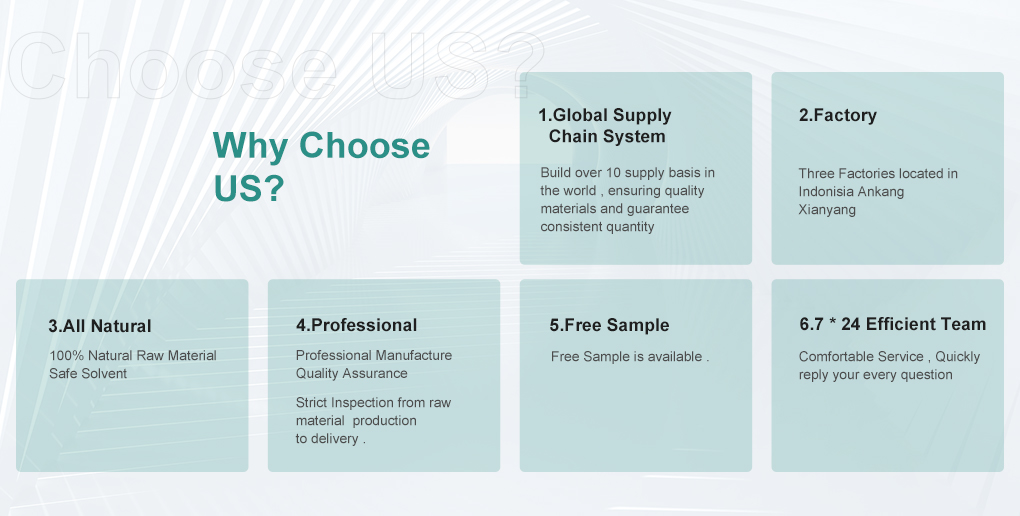
About Ruiwo:
contact us:
Address:Room 703, Ketai Building, No. 808, Cuihua South Road, Xi’an, Shaanxi, China
E-mail: info@ruiwophytochem.com
Phone: 008613484919413 0086-29-89860070
Hours: Monday-Friday: 9am to 6pm
Post time: Jan-07-2026


