
European Bilberry Extract, derived from the fruit of Vaccinium myrtillus L., is a botanical ingredient known for its naturally high content of anthocyanins and other polyphenolic compounds. Also commonly called Bilberry Extract or Vaccinium myrtillus Extract, it is used in food, dietary supplement, and botanical ingredient applications.
For B2B buyers, however, selecting a Bilberry Extract is not simply about choosing a product with a high anthocyanin number. Botanical identity, anthocyanin profile, extraction process, analytical method, stability, and batch consistency all influence the quality and suitability of the finished ingredient.
This guide explains the key technical and purchasing considerations for European Bilberry Extract.
What Is European Bilberry?

European Bilberry is the common name for Vaccinium myrtillus L., a low-growing plant belonging to the Vaccinium genus. It is native to and widely distributed across parts of northern and central Europe.
Bilberry fruit is particularly notable for its dark blue-purple color, which is associated with a high concentration of naturally occurring anthocyanins. Scientific analyses have identified multiple anthocyanins in V. myrtillus, including derivatives of delphinidin, cyanidin, petunidin, peonidin, and malvidin. PubMed
This diverse anthocyanin profile is one of the characteristics that distinguishes genuine Bilberry Extract from some other berry ingredients.
For ingredient manufacturers, therefore, botanical authentication is an important part of quality evaluation.
Why Are Anthocyanins Important In Bilberry Extract?
Anthocyanins are water-soluble flavonoid pigments responsible for many of the blue, purple, and red colors found in fruits and plants.
Bilberry is considered a particularly rich natural source of anthocyanins. Research has identified a complex mixture of anthocyanin glycosides in Vaccinium myrtillus, rather than a single dominant compound.
This is important from a B2B perspective.
A Bilberry Extract specification may refer to:
- Total anthocyanins
- Individual anthocyanins
- Anthocyanin profile
- Extract ratio
- Botanical identity
- Other polyphenolic compounds
These parameters should not be considered interchangeable.
For example, a high extract ratio does not automatically mean a high anthocyanin concentration. Similarly, a total anthocyanin percentage alone may not fully describe the botanical identity of an extract.
For applications requiring consistent botanical ingredients, buyers should therefore look beyond one specification number.

European Bilberry Extract Vs Blueberry Extract

European Bilberry and cultivated blueberry are both members of the Vaccinium genus, but they are different botanical materials.
European Bilberry is generally associated with Vaccinium myrtillus L., while common cultivated highbush blueberry belongs to species such as Vaccinium corymbosum.
Their anthocyanin profiles can also differ.
One comparative HPLC study found differences in the major anthocyanins present in bilberries and blueberries, demonstrating why botanical identification and chemical profiling are useful when evaluating berry ingredients. PubMed
For B2B buyers, this means that simply purchasing a product labeled "berry extract" is not enough when a formulation specifically requires Bilberry.
The specification should clearly identify:
Botanical name → Plant part → Extract → Marker compounds → Analytical method
What Should B2B Buyers Check Before Purchasing Bilberry Extract?
When sourcing European Bilberry Extract in bulk, buyers should establish a clear technical specification before comparing suppliers.
1. Botanical Identity
Confirm that the raw material is derived from:
Vaccinium myrtillus L.
The plant part should also be clearly stated.
2. Anthocyanin Content
Ask the supplier to specify the required anthocyanin level and analytical method.
3. HPLC Documentation
Request a representative or batch-specific chromatographic analysis where appropriate.
4. COA
A Certificate of Analysis should correspond to the actual batch being supplied.
5. Contaminant Testing
Depending on the application and destination market, buyers may require testing for:
Heavy metals
Microbiological parameters
Pesticide residues
Residual solvents
Other contaminants
6. Stability and Storage
Anthocyanins can be sensitive to processing and storage conditions. Research has shown that temperature and formulation conditions can influence anthocyanin stability. PubMed
Therefore, buyers should pay attention to:
Moisture → Light → Temperature → Oxygen → Packaging
Applications Of European Bilberry Extract

Bilberry Extract is used in a variety of botanical ingredient applications.
Dietary Supplements
Bilberry fruit extracts are commonly found in botanical formulations, particularly products positioned around antioxidant, eye-health, and general wellness concepts. Scientific literature has investigated these areas, although clinical evidence is not uniformly conclusive for all proposed benefits.
Functional Foods and Beverages
The naturally occurring anthocyanins in Bilberry can be of interest to developers working with:
Functional beverages
Fruit-based formulations
Botanical drinks
Nutritional powders
Specialty food products
Cosmetic Formulations
Anthocyanin-rich botanical ingredients may also be considered for cosmetic formulations where botanical and antioxidant-oriented ingredients are desired. However, formulation developers should evaluate color, odor, solubility, stability, and applicable cosmetic regulations before use.
Botanical Research
Bilberry and its anthocyanins remain subjects of research in areas including oxidative stress, vascular biology, inflammation, and other biological pathways. PubMed
How Ruiwo Approaches Botanical Extract Quality Control

For a botanical ingredient manufacturer, quality control begins before the finished product reaches the laboratory.
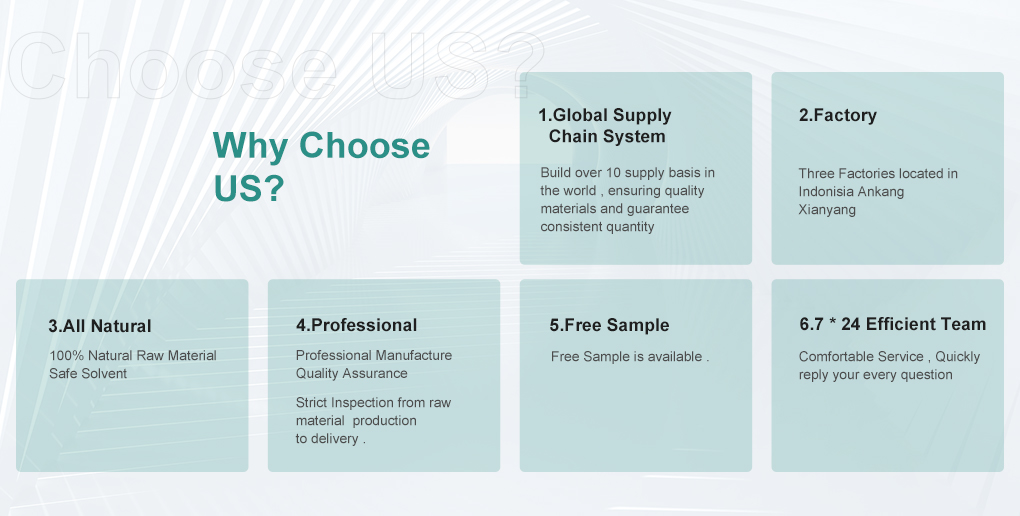
Shaanxi Ruiwo Phytochem maintains a quality control process covering supplier approval and raw material traceability, raw material analysis and contaminant checks, in-process analysis, and finished-product inspection. QA/QC tests each batch before warehousing, and a Certificate of Analysis (COA) is provided for each batch.
Ruiwo operates a standard laboratory equipped for TLC, HPLC, UV, GC, and microbiological testing. The company also collaborates with third-party testing laboratories, including SGS, Eurofins, Leon Testing, and PONY Testing, to support product quality control.
Ruiwo operates multiple multifunctional plant extraction production lines covering extraction, separation, concentration, and drying, supporting the production of a wide range of botanical extracts.
For customers sourcing Bilberry Extract, the practical objective is straightforward: define the botanical and analytical requirements clearly, verify the relevant testing data, and maintain consistent specifications from sample to bulk production.
For B2B buyers, a reliable sourcing process should therefore begin with a clear specification and continue through sample evaluation, analytical verification, batch testing, documentation, and bulk supply.
Looking for European Bilberry Extract for your formulation or bulk ingredient supply? Contact Shaanxi Ruiwo Phytochem to discuss product specifications, samples, COA requirements, and bulk sourcing options.
About Ruiwo:
contact us:
Address:Room 703, Ketai Building, No. 808, Cuihua South Road, Xi’an, Shaanxi, China
E-mail: info@ruiwophytochem.com
Phone: 008613484919413 0086-29-89860070
Hours: Monday-Friday: 9am to 6pm
Post time: Oct-08-2026


