
Garcinia Cambogia Extract has attracted considerable attention in the botanical ingredient and nutraceutical industries, particularly in products related to weight management and metabolic health. Also known as Malabar tamarind, Garcinia cambogia is a tropical plant native to India and Southeast Asia. Its fruit rind contains hydroxycitric acid (HCA), one of the key bioactive compounds responsible for the plant's commercial interest.
As consumers continue to look for plant-based ingredients for wellness and weight-management products, Garcinia cambogia remains an ingredient of interest for supplement manufacturers, functional food developers, and botanical ingredient suppliers. However, scientific evidence regarding its benefits is mixed, making ingredient quality, standardized specifications, and responsible product positioning increasingly important.
What Is Garcinia Cambogia Extract?

Garcinia Cambogia Extract is a botanical ingredient obtained from the fruit, particularly the fruit rind, of Garcinia cambogia (also known as Garcinia gummi-gutta). The plant belongs to the Clusiaceae family and has a long history of traditional culinary and food-related use in South and Southeast Asia.
The rind of the fruit naturally contains (-)-hydroxycitric acid (HCA). HCA has become the primary compound of interest in commercial Garcinia extracts and has been investigated for its potential effects on energy metabolism, appetite, body weight, and lipid metabolism.
Scientific reviews describe HCA as a compound that can inhibit ATP-citrate lyase, an enzyme involved in the conversion of citrate into acetyl-CoA, which is an important building block in fatty-acid synthesis. This biochemical mechanism has contributed to interest in Garcinia cambogia as a weight-management ingredient.
However, the presence of a plausible biochemical mechanism does not automatically mean that a supplement will produce a clinically meaningful effect. Human studies have produced mixed results, and the strength of evidence depends on factors such as extract composition, HCA concentration, dosage, study design, and intervention period.
Key Bioactive Component: Hydroxycitric Acid (HCA)
The most commercially recognized active component of Garcinia cambogia is hydroxycitric acid (HCA).
HCA has been studied because of its potential influence on several metabolic pathways. In laboratory and animal research, HCA has been associated with inhibition of ATP-citrate lyase and changes in pathways related to fatty-acid synthesis. These findings provide part of the scientific rationale behind the use of Garcinia ingredients in weight-management formulations.
From an ingredient-development perspective, HCA content is therefore an important specification for many Garcinia cambogia extracts.
However, Garcinia extracts are not chemically identical. Differences in raw material, extraction process, concentration, and analytical methods can influence the final HCA level and overall composition. Recent research has also highlighted the importance of extraction optimization and analytical methods for determining HCA levels and evaluating Garcinia-based nutraceutical ingredients.
For manufacturers, a well-defined specification can help with:
Consistent HCA content
Batch-to-batch quality control
Raw-material evaluation
Formulation development
Product documentation and COA requirements
Regulatory and market-specific compliance

Market Potential of Garcinia Cambogia Extract
_new.png)
The market interest in Garcinia cambogia is closely connected with the broader growth of the botanical supplements, weight-management, and functional wellness industries.
Modern consumers are increasingly interested in plant-based ingredients and products that fit into daily wellness routines. This trend creates opportunities for botanical extracts that can be incorporated into capsules, tablets, powders, functional beverages, and other dietary supplement formats.
Garcinia cambogia has an additional advantage from a formulation perspective: its identity is clearly associated with a specific botanical source and a recognizable bioactive marker, HCA. This makes standardized Garcinia extracts relatively straightforward to position as functional botanical ingredients.
Application Trends For Garcinia Cambogia Extract
Dietary Supplements
Dietary supplements remain one of the most recognizable applications for Garcinia cambogia.
The extract can be used in formulations such as capsules, tablets, powdered blends, and other weight-management or wellness products. Manufacturers may combine Garcinia extract with other botanical ingredients depending on their formulation objectives and regulatory requirements.
Functional Food and Beverage
The growing interest in functional nutrition may create additional opportunities for Garcinia-derived ingredients.
Depending on applicable regulations, formulation compatibility, and product specifications, botanical extracts may be explored for use in powdered drink mixes, functional beverages, nutrition products, and other food-related applications.
For these applications, factors such as solubility, flavor profile, dosage, stability, and compatibility with other ingredients need to be evaluated during product development.
Multi-Ingredient Botanical Formulas
Instead of relying on a single botanical ingredient, manufacturers increasingly explore combinations of plant extracts designed around broader consumer concepts such as weight management, digestive wellness, energy balance, and healthy lifestyle support.
This creates potential opportunities for Garcinia cambogia extract as one component of a broader botanical formulation.
Another important trend is the development of multi-ingredient botanical formulations.
Instead of relying on a single botanical ingredient, manufacturers increasingly explore combinations of plant extracts designed around broader consumer concepts such as weight management, digestive wellness, energy balance, and healthy lifestyle support.
This creates potential opportunities for Garcinia cambogia extract as one component of a broader botanical formulation.
Potential Health Benefits Of Garcinia Cambogia Extract
Weight Management
Weight management is the most widely discussed application of Garcinia cambogia.
Clinical research has investigated whether Garcinia extracts or HCA can help reduce body weight. A systematic review and meta-analysis of randomized controlled trials found a small short-term difference in weight loss favoring HCA compared with placebo. However, the researchers noted that the size of the effect was small and that its clinical relevance was uncertain.
Another review reached a similar conclusion, noting that human studies were often small and relatively short, with limited evidence demonstrating long-term benefits.
Therefore, Garcinia cambogia should not be presented as a guaranteed weight-loss solution. Instead, it may be considered as one botanical ingredient for formulations positioned around weight management, healthy lifestyle, and metabolic wellness.
Lipid Metabolism
Researchers have also investigated Garcinia cambogia in relation to blood lipid parameters.
A systematic review and meta-analysis published in 2024 analyzed 14 randomized controlled trials involving 623 participants. The study reported reductions in total cholesterol and triglycerides and an increase in HDL cholesterol, while no significant effect was observed for LDL cholesterol. However, differences among studies and the overall evidence base should be considered when interpreting these findings.
This research suggests potential interest in Garcinia ingredients for future metabolic-health formulations, although further well-designed clinical studies are needed.
Appetite and Metabolic Health
HCA has also been studied in relation to appetite and metabolic pathways. Some proposed mechanisms involve the regulation of carbohydrate and lipid metabolism, while other research has investigated possible effects related to appetite signaling.
However, evidence from human studies remains inconsistent. For this reason, manufacturers should distinguish between scientifically investigated mechanisms and proven clinical outcomes.
For responsible B2B communication, phrases such as "studied for weight management" or "researched for metabolic health applications" are generally more appropriate than making strong disease-treatment or guaranteed weight-loss claims.
Conclusion
Garcinia Cambogia Extract remains an interesting botanical ingredient for the nutraceutical and functional wellness industries, primarily because of its naturally occurring hydroxycitric acid (HCA) and its long-standing association with weight-management products.
Scientific research suggests that Garcinia/HCA may have potential effects related to body weight and lipid metabolism, but the evidence is not strong enough to support exaggerated claims. Clinical studies have reported mixed outcomes, and some reviews have emphasized the small size, short duration, and methodological limitations of existing trials.
For B2B manufacturers, the future opportunity may therefore lie not simply in selling Garcinia cambogia as a "weight-loss ingredient," but in developing well-standardized, properly tested, transparent botanical ingredients that can meet the technical and regulatory expectations of modern supplement and functional-product markets.
As demand for plant-based wellness ingredients continues to develop, Garcinia cambogia is likely to remain a relevant ingredient for research, formulation development, and botanical product innovation.
Frequently Asked Questions About Garcinia Cambogia Extract
1. What is Garcinia Cambogia Extract?
Garcinia Cambogia Extract is a botanical extract obtained from Garcinia cambogia, particularly its fruit rind. It naturally contains hydroxycitric acid (HCA), the primary bioactive compound of commercial interest.
2. What is HCA in Garcinia Cambogia?
HCA, or hydroxycitric acid, is a naturally occurring organic acid found in Garcinia fruit rind. It has been studied for its potential effects on lipid metabolism, appetite, and body weight.
3. Is Garcinia Cambogia proven to cause weight loss?
Clinical evidence is mixed. Some studies have reported modest short-term effects, while systematic reviews have concluded that the overall effect is small and its clinical relevance remains uncertain.
4. What industries use Garcinia Cambogia Extract?
Garcinia cambogia extract is mainly associated with dietary supplements and nutraceutical products. Depending on local regulations and formulation requirements, it may also be considered for functional food and beverage applications.
5. What should buyers check when purchasing Garcinia Cambogia Extract?
B2B buyers should consider botanical identity, plant part, HCA specification, analytical method, batch consistency, testing requirements, COA documentation, and regulatory suitability for the target market.
6. Does Garcinia Cambogia Extract have safety concerns?
Safety should be evaluated based on the specific extract, dosage, formulation, and intended use. The U.S. National Center for Complementary and Integrative Health notes that numerous reports of liver toxicity have involved Garcinia cambogia products. Buyers and manufacturers should therefore conduct appropriate safety and regulatory assessments rather than assuming that a botanical ingredient is risk-free simply because it is natural.
About Ruiwo:
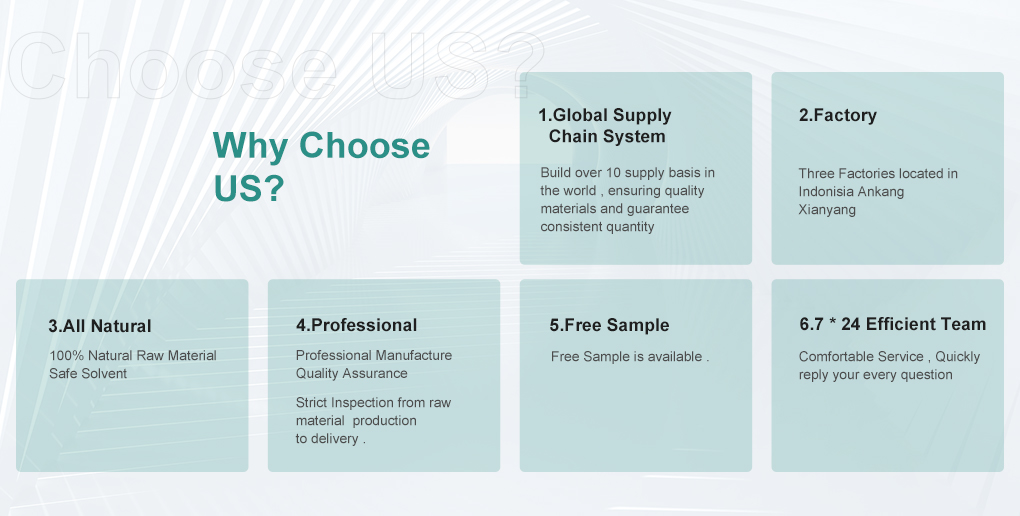
contact us:
Address:Room 703, Ketai Building, No. 808, Cuihua South Road, Xi’an, Shaanxi, China
E-mail: info@ruiwophytochem.com
Phone: 008613484919413 0086-29-89860070
Hours: Monday-Friday: 9am to 6pm
Post time: Oct-09-2026


