
Why Are More Brands Looking Beyond Ordinary Herbal Ingredients?
In today’s competitive wellness market, launching a product is no longer enough. Brands need ingredients that consumers recognize, trust, and are willing to pay more for. Generic herbal powders often struggle to stand out, especially when the market is crowded with similar formulas and unclear quality claims.
This is why many manufacturers are shifting their attention toward standardized botanical actives rather than traditional raw powders. Among these, Ginsenoside has quickly become one of the most attractive options because it combines the long-standing reputation of ginseng with modern formulation value.
For brands aiming to create premium supplements, functional beverages, or next-generation wellness products, Ginsenoside is increasingly seen as a smart growth ingredient.
What Is Ginsenoside and Why Does It Matter More Than Plain Ginseng Powder?

Ginsenoside refers to the naturally occurring active compounds found in Panax ginseng and related ginseng species. These compounds are considered the most valuable components of ginseng and are commonly used as quality markers in commercial extracts.
Compared with ordinary ginseng root powder, standardized Ginsenoside ingredients offer stronger consistency and easier formulation control. Instead of depending on variable raw plant material, brands can use defined active specifications that make finished products more stable and marketable.
This shift matters because consumers today expect visible quality differences. A label featuring standardized Ginsenoside content often creates stronger confidence than a simple “ginseng powder” claim.
Why Are Premium Brands Choosing Ginsenoside in 2026?
The modern consumer wants products that feel effective, transparent, and worth the price. Ginsenoside supports all three of these expectations. It is associated with a respected botanical tradition while also fitting the current demand for measurable active ingredients.
Premium brands also value ingredients that help justify higher price points. Products built around standardized botanical compounds are often easier to position in upper-tier categories than products using generic plant powders alone.
Another reason is versatility. Ginsenoside can fit many product concepts—from daily wellness and active lifestyle formulas to premium gift-box supplements and modern healthy beverages.

How Can Ginsenoside Improve Product Positioning?

Many supplement brands face the same challenge: their formulas look similar to competitors. When every label contains common vitamins, minerals, or generic herbs, differentiation becomes difficult.
Adding Ginsenoside can help a product stand apart. It allows a brand to communicate higher ingredient standards, stronger sourcing control, and a more premium formula concept. This can improve both shelf appeal and online conversion performance.
Consumers often associate ginseng with quality and vitality. When presented professionally, Ginsenoside can strengthen that perception and increase the perceived value of the finished product.
Which Product Categories Use Ginsenoside Most Successfully?
Capsules and tablets remain one of the largest applications because they are convenient, shelf-stable, and familiar to global consumers. Standardized extracts work especially well in these formats because dosage control is straightforward.
Powder blends and sachets are also growing rapidly. Consumers increasingly prefer convenient drink mixes that support busy lifestyles. Ginsenoside pairs well with other botanical or nutritional ingredients in premium powdered formulas.
Functional beverages are another fast-moving category. Brands developing sugar-free energy concepts, daily tonic drinks, or modern wellness shots are exploring ginseng-derived actives to support premium branding.
What Purchasing Problems Do Buyers Often Face?

One common issue is inconsistent active content. Some market products claim high quality but provide unstable specifications between batches. This creates difficulties in production planning and customer satisfaction.
Another challenge is unclear documentation. International buyers often require COA, specification sheets, origin details, and traceability support. Suppliers without complete systems can create delays or compliance risks.
Pricing can also be misleading. Low-cost materials sometimes come with weak potency, poor solubility, or quality complaints later. Serious buyers increasingly understand that reliable supply often delivers better long-term value than the cheapest quotation.
How to Identify a Reliable Ginsenoside Supplier?
A dependable supplier should first offer clear standardization levels backed by recognized testing methods such as HPLC. Transparency in active content is essential for professional purchasing decisions.
Second, the supplier should maintain stable raw material sourcing and controlled manufacturing processes. This reduces batch variation and helps ensure consistent commercial performance.
Third, communication matters. Fast response times, export experience, packaging flexibility, and technical support often separate professional manufacturers from simple trading companies.
Why Is Direct Factory Supply Becoming More Popular?
Brands are increasingly buying directly from manufacturers because it gives better control over cost, lead time, and customization. Instead of paying through multiple layers of intermediaries, buyers can access more transparent pricing.
Direct factory cooperation also allows easier adjustments such as packaging size, private label service, active specification changes, or custom blends. This flexibility is especially useful for growing brands launching new products.
In fast-moving markets, speed matters. Working with a factory partner can reduce delays and help products reach the market sooner.
What Trends Will Shape the Future of Ginsenoside?

The botanical industry is moving toward cleaner labels, stronger traceability, and measurable actives. Ginsenoside fits all of these trends, which is why demand is expected to continue growing.
Consumers are also becoming more educated. They increasingly compare ingredient quality rather than buying based on packaging alone. This benefits standardized botanical ingredients with stronger value stories.
As functional foods, healthy beverages, and premium supplements expand worldwide, Ginsenoside is likely to become even more important in product innovation.
Ginsenoside Is More Than an Ingredient—It Is a Brand Strategy
For companies building high-value products, ingredient choice directly influences market success. Ginsenoside offers recognition, premium appeal, flexible applications, and modern quality positioning.
That makes it more than a raw material. It becomes part of a stronger brand story—one that helps products compete in crowded markets.
In 2026, brands that move beyond ordinary ingredients may gain the biggest advantage.
Closing: Ready to Source Premium Ginsenoside?
If you are developing capsules, tablets, drink powders, wellness blends, or custom formulations, we provide reliable Ginsenoside supply solutions for global buyers.
We support multiple specifications, OEM customization, export documentation, stable inventory, and competitive factory pricing.
About Ruiwo:
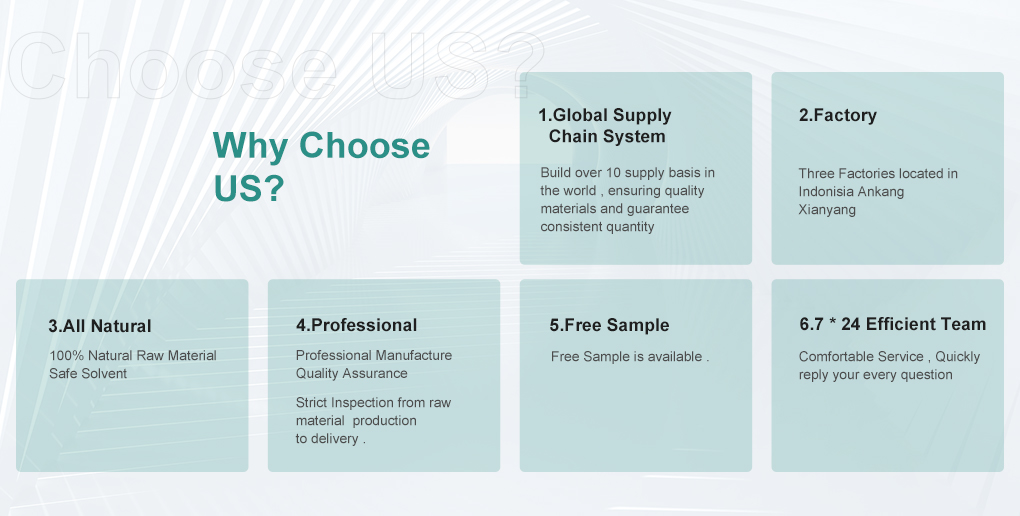
contact us:
Address:Room 703, Ketai Building, No. 808, Cuihua South Road, Xi’an, Shaanxi, China
E-mail: info@ruiwophytochem.com
Phone: 008613484919413 0086-29-89860070
Hours: Monday-Friday: 9am to 6pm
Post time: Apr-27-2026


