
Lutein, a carotenoid pigment, has garnered significant attention in recent years due to its diverse health benefits—particularly its role in supporting eye health. As a leading supplier of Lutein Powder, we are frequently asked about the sources of this valuable ingredient and the processes behind its production. In this blog post, we delve into the various sources of Lutein Powder, detail its extraction process, explore its wide-ranging applications, and highlight key quality considerations.
Natural Sources of Lutein
Lutein occurs naturally in a variety of plant-based foods and a few animal products, with varying concentrations across sources. Below are the most prominent natural sources:
Leafy Green Vegetables
Leafy greens such as spinach, kale, collard greens, and Swiss chard are among the richest natural sources of lutein. These vegetables store high concentrations of lutein in their chloroplasts—organelles responsible for photosynthesis. For example, spinach contains approximately 14 mg of lutein per 100 grams, making it one of the most lutein-dense foods available. When consumed as part of a balanced diet, the natural lutein in these greens is easily absorbed by the human body.

Orange and Yellow Fruits and Vegetables

Fruits and vegetables with vibrant orange or yellow hues—including carrots, sweet potatoes, pumpkins, and mangoes—also contain lutein. While their lutein content is lower than that of leafy greens (e.g., carrots contain about 2 mg per 100 grams), they still contribute meaningfully to dietary lutein intake. The bright colors of these foods stem from carotenoids like lutein, which act as antioxidants, protecting plants from sunlight and environmental stressors.
Egg Yolks
Egg yolks are a convenient, versatile source of lutein. The lutein in eggs comes from the lutein-rich plants included in hens’ feed. On average, one large egg yolk contains approximately 0.25 mg of lutein, making eggs an easy way to incorporate lutein into daily meals.
Marigold Flowers (Tagetes erecta)

Marigold flowers are the primary commercial source of lutein for Lutein Powder production. Their petals are rich in lutein esters—compounds that are more stable and easier to extract than free lutein. Marigolds are cultivated on a large scale under controlled conditions to ensure high yields and consistent quality. Lutein content in marigold flowers varies based on factors like variety, growing conditions, and harvesting timing.
Extraction of Lutein from Marigold Flowers
The production of high-quality Lutein Powder from marigold flowers involves a precise, multi-step process to isolate and purify the lutein. Here’s a detailed overview:
Harvesting and Drying
Marigold flowers are harvested at full bloom—when lutein content is at its peak. They are then dried to reduce moisture, making them easier to handle during subsequent processing. Drying methods include air drying, sun drying, or specialized industrial drying equipment, all designed to preserve lutein potency.
Saponification
After drying, marigold petals undergo saponification: treatment with an alkaline solution to convert lutein esters into free lutein. This step is critical because lutein esters are less bioavailable than free lutein; saponification breaks down these esters, releasing free lutein for easier extraction.
Extraction
Once converted to free lutein, the pigment is extracted from marigold petals using a suitable solvent. Common solvents include hexane, ethanol, and supercritical carbon dioxide. The petals are mixed with the solvent, allowing lutein to dissolve, and the mixture is filtered to separate the lutein-containing solvent from solid plant residue.
Purification
The extracted lutein solution is then purified to remove impurities such as other pigments, lipids, and residual solvents. Purification methods—including chromatography, crystallization, and distillation—isolate lutein, resulting in a high-purity product.
Drying and Packaging
The purified lutein solution is dried to remove remaining solvent, yielding a dry powder. This powder is packaged in airtight containers to prevent oxidation and maintain stability, ensuring the final Lutein Powder retains its potency for use in various applications.
Other Potential Sources and Quality Considerations
While marigold flowers remain the most reliable and cost-effective commercial source of Lutein Powder, alternative sources are being explored:
- Microalgae: Species like Chlorella and Dunaliella produce lutein, but large-scale production from microalgae is still in early development, facing challenges such as high costs and low yields.
As a supplier, we prioritize quality at every step: we source marigold flowers from trusted growers and use state-of-the-art extraction and purification techniques to ensure our Lutein Powder meets the strictest industry standards for purity and potency.
Applications of Lutein Powder

Lutein Powder has diverse applications across the food, pharmaceutical, cosmetic, and animal feed industries:
Dietary Supplements
Lutein is widely used in dietary supplements, particularly those focused on eye health. It is believed to protect against age-related macular degeneration (AMD), cataracts, and other eye conditions. Lutein supplements are available in capsules, tablets, and softgels, often combined with zeaxanthin and vitamin C to enhance effectiveness.
Functional Foods and Beverages
Lutein is added to functional foods and beverages to boost nutritional value. It can be incorporated into juices, smoothies, yogurt, cereal bars, and more—providing consumers with an easy way to increase lutein intake without major dietary changes.
Animal Feed
In the poultry and aquaculture industries, lutein is added to animal feed to improve the color of egg yolks, skin, and meat (e.g., producing deeper yellow/orange egg yolks, which are preferred by consumers). It also supports animal health by enhancing immune function and reducing oxidative stress.
Cosmetics and Skincare
Lutein’s antioxidant properties make it a popular ingredient in cosmetics and skincare products. It is used in creams, lotions, and serums to protect skin from free radical damage and environmental stressors, while also reducing signs of aging like wrinkles and fine lines.
-
Conclusion
Lutein Powder is a valuable, versatile ingredient with significant health benefits and wide-ranging applications. Marigold flowers are the primary commercial source, as their high lutein ester content and scalability make them the most reliable and cost-effective option for large-scale production. While alternative sources like microalgae are being explored, marigold-derived Lutein Powder remains the industry standard.
As a trusted supplier of Lutein Powder, we are committed to delivering high-quality, pure, and potent products at competitive prices. Our Lutein Powder is sourced from premium marigold flowers and produced using advanced extraction and purification techniques. Whether you need Lutein Powder for dietary supplements, functional foods, animal feed, or cosmetics, we are here to meet your specific requirements. Contact us today to learn more and discuss your procurement needs.
- References
- Krinsky, N. I., Landrum, J. T., & Bone, R. A. (2003). Biologic mechanisms of the protective role of lutein and zeaxanthin in the eye. Annual Review of Nutrition, 23, 171-201.
- Johnson, E. J. (2002). Dietary lutein: sources, bioavailability, and antioxidant function. Nutrition in Clinical Care, 5, 106-113.
- Sommerburg, O., Keunen, J. E., Bird, A. C., & van Kuijk, F. J. (1998). Macular pigment in human eyes with and without AMD: a case-control study. Investigative Ophthalmology & Visual Science, 39, 1451-1458.
Additional Products We Supply
- Radish Red Powder
- Cabbage Red Powder
- Natural Sodium Copper Chlorophyllin Powder
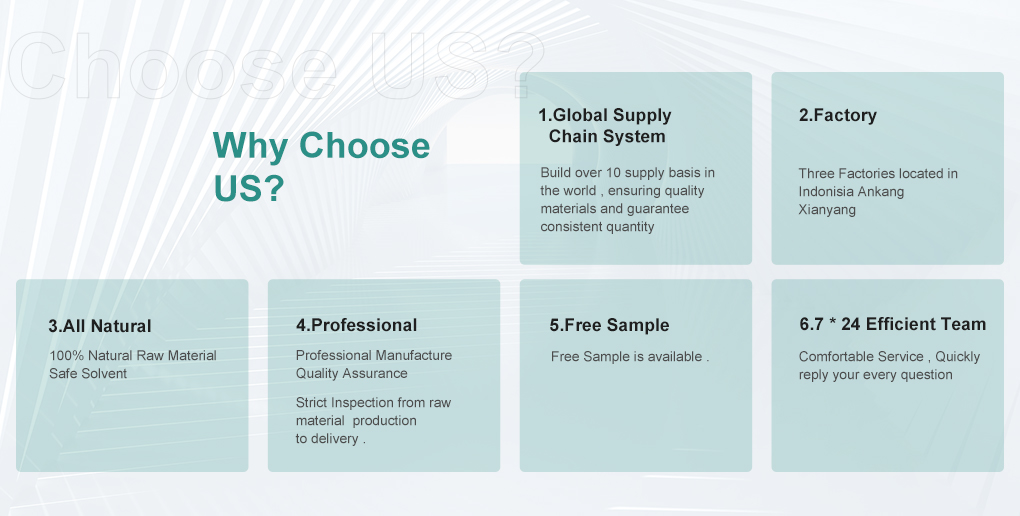
About Ruiwo:
contact us:
Address:Room 703, Ketai Building, No. 808, Cuihua South Road, Xi’an, Shaanxi, China
E-mail: info@ruiwophytochem.com
Phone: 008613484919413 0086-29-89860070
Hours: Monday-Friday: 9am to 6pm
Post time: Apr-14-2026


