
Aloe Vera Extract has maintained a stable position in the global botanical ingredient market for many years. Unlike trend-driven raw materials, Aloe Vera continues to be widely used across cosmetics, functional beverages, and dietary supplement industries due to its strong formulation compatibility and consistent supply chain availability.
From a manufacturing perspective, Aloe Vera Extract is not only a functional ingredient but also a formulation enabler. It allows product developers to build mild, plant-based systems without relying heavily on synthetic additives or complex stabilizing agents.
Why Do Manufacturers Continue to Choose Aloe Vera Extract?

One of the main reasons Aloe Vera Extract remains highly relevant is its adaptability across different product systems. It can be used in water-based, gel-based, and emulsified formulations without significantly affecting texture or stability.
In cosmetic production, this is particularly important because formulators often need ingredients that integrate smoothly into lightweight skincare systems. Aloe Vera Extract helps support hydration-focused formulations while maintaining a clean and non-sticky sensory profile.
In beverage and supplement applications, Aloe Vera Extract is valued for its easy dispersion in aqueous solutions. This makes it suitable for ready-to-drink beverages, powdered drink mixes, and liquid supplement systems where clarity and stability are important.
How Is Aloe Vera Extract Used in Modern Skincare Products?
In the personal care industry, Aloe Vera Extract is widely used in daily skincare products such as hydrating gels, facial moisturizers, toner systems, after-sun care, and soothing formulations.
Its primary function in these products is related to formulation support and sensory improvement. It helps create a fresh, lightweight feel that is often associated with natural skincare products. This makes it suitable for both mass-market and premium skincare brands that focus on plant-based positioning.
Another important factor is compatibility. Aloe Vera Extract can be combined with other botanical extracts, humectants, and cosmetic actives without causing instability in most formulations. This flexibility allows brands to develop multifunctional skincare products with relatively simple ingredient systems.

Why Is Aloe Vera Extract Used in Functional Beverage Development?

In the beverage industry, Aloe Vera Extract is often incorporated into aloe drinks, fruit-based beverages, hydration products, and wellness-focused formulations.
Its mild flavor profile is one of its key advantages. Unlike strong herbal ingredients, Aloe Vera does not dominate the taste profile of finished beverages, allowing it to blend well with fruit flavors such as apple, lemon, grape, or tropical fruit combinations.
From a product development perspective, Aloe Vera Extract also supports visual and positioning strategies. Many beverage brands use aloe as a botanical identity ingredient to communicate natural and plant-based product concepts, especially in clean-label product lines.
What Makes Aloe Vera Extract Suitable for Supplement Formulations?
In dietary supplement systems, Aloe Vera Extract is often used in capsules, tablets, and liquid formulations designed for general wellness positioning.
While product positioning varies by market, Aloe Vera is commonly associated with hydration support and digestive wellness concepts. This makes it suitable for inclusion in daily wellness supplement categories rather than targeted or high-intensity formulations.
Its plant-based origin also aligns well with the increasing consumer demand for natural and recognizable ingredients. This is particularly important in markets where transparency and label simplicity are key purchasing factors.
How Does Aloe Vera Extract Support Clean Label Product Development?

Clean-label formulation has become a central focus in both food and cosmetic industries. Manufacturers are increasingly expected to reduce synthetic additives and simplify ingredient declarations.
Aloe Vera Extract fits naturally into this trend because it serves multiple functional roles within a single ingredient. Instead of using separate components for hydration, texture adjustment, and botanical positioning, formulators can often rely on Aloe Vera Extract as a multifunctional base ingredient.
This reduces formulation complexity while helping brands maintain a more natural ingredient list, which is increasingly important for global retail positioning.
Why Is Aloe Vera Extract Considered a Multi-System Botanical Ingredient?
One of the most important characteristics of Aloe Vera Extract is its ability to function across different formulation systems without requiring complex modification.
In water-based systems, Aloe Vera Extract dissolves or disperses smoothly, making it suitable for gels, toners, and liquid beverages. In emulsified systems, it integrates without significantly affecting viscosity or stability. This flexibility reduces formulation risk during product development, especially for manufacturers working with large-scale production lines.
Another key factor is its relatively neutral sensory profile. Unlike many botanical extracts that carry strong bitterness or odor, Aloe Vera Extract has a mild and clean profile, which allows formulators to maintain control over the final product’s flavor or fragrance design.
How Is Aloe Vera Extract Applied in Cosmetic Manufacturing?
In the cosmetic industry, Aloe Vera Extract is widely used in daily skincare products, particularly those focused on hydration, soothing, and lightweight texture systems.
Hydrating gels are one of the most common applications. In these formulations, Aloe Vera Extract helps create a fresh, non-greasy texture that is easy to absorb and suitable for all skin types. This makes it especially popular in mass-market skincare products where user experience is a key factor.
It is also frequently used in facial care systems such as moisturizers, serums, and toners. In these applications, Aloe Vera Extract serves as a base botanical component that supports overall formulation balance. It is often combined with humectants, botanical extracts, and mild active ingredients to build multifunctional skincare systems.
In after-sun care products, Aloe Vera Extract is widely incorporated due to its cooling sensory effect and its ability to enhance product spreadability and comfort. This category remains one of its most stable application areas globally.
Aloe Vera Extract remains a structurally important botanical ingredient in modern industrial formulatio
n systems. Its value is not based on short-term popularity but on long-term functional reliability, formulation compatibility, and global consumer recognition.
As the demand for plant-based, clean-label, and multifunctional ingredients continues to expand, Aloe Vera Extract is expected to maintain a stable position in cosmetic, beverage, and dietary supplement industries.
For manufacturers, it represents a low-risk, high-compatibility botanical raw material suitable for a wide range of product development strategies.
- Reference
- Hamman, J. H. (2008). Composition and applications of Aloe vera leaf gel. Molecules, 13(8), 1599–1616.
Surjushe, A., Vasani, R., & Saple, D. G. (2008). Aloe vera: A short review. Indian Journal of Dermatology, 53(4), 163–166.
Eshun, K., & He, Q. (2004). Aloe vera: A valuable ingredient for food and cosmetic industries. Critical Reviews in Food Science and Nutrition, 44(2), 91–96.
WHO Traditional Medicine Strategy (2023 update report on herbal materials standardization and safety)
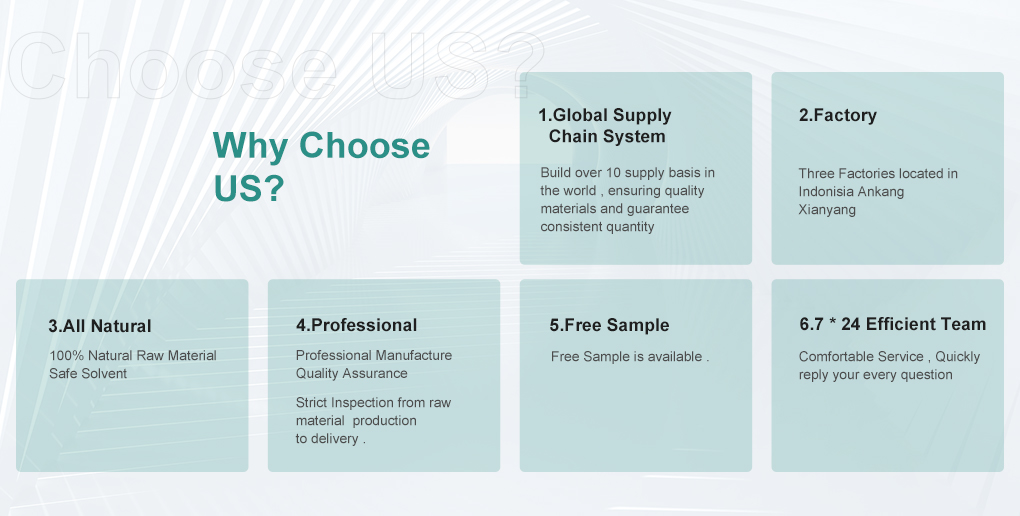
About Ruiwo:
contact us:
Address:Room 703, Ketai Building, No. 808, Cuihua South Road, Xi’an, Shaanxi, China
E-mail: info@ruiwophytochem.com
Phone: 008613484919413 0086-29-89860070
Hours: Monday-Friday: 9am to 6pm
Post time: Jun-05-2026


