
occurring isoquinoline alkaloid found in several botanical species, particularly plants from the Coptis, Berberis, and Phellodendron genera. With growing interest in botanical ingredients, berberine hydrochloride has attracted attention from manufacturers and formulators working in dietary supplements, functional foods, traditional herbal products, pharmaceutical research, and other health-related applications.
For B2B buyers, however, selecting a berberine hydrochloride ingredient involves more than simply comparing the assay percentage. Botanical source, extraction and purification processes, analytical methods, batch consistency, physical properties, documentation, and regulatory requirements can all influence the suitability of a raw material for a specific formulation.
This article provides a practical overview of berberine hydrochloride, its botanical origins, properties, research background, applications, and the key quality considerations that buyers should evaluate when sourcing this ingredient.
What Is Berberine Hydrochloride?

Berberine is a naturally occurring protoberberine alkaloid. It is commonly found in the rhizomes, roots, stems, or bark of several medicinal plants. Coptis chinensis (Chinese goldthread), Berberis species, and Phellodendron species are among the commonly reported botanical sources.
Berberine hydrochloride, also referred to as berberine HCl or berberine chloride, is the hydrochloride salt form of berberine. Its chemical identity is commonly associated with CAS No. 633-65-8, a molecular formula of C20H18ClNO4, and a molecular weight of approximately 371.81 g/mol.
Berberine is naturally present as one component of a complex botanical matrix. Commercial berberine hydrochloride ingredients may therefore differ substantially depending on whether they are produced as a purified isolated compound or as a botanical extract standardized to a specified berberine content.
This distinction is particularly important for B2B buyers because the terms “berberine extract” and “berberine hydrochloride” should not automatically be treated as interchangeable.
Botanical Sources of Berberine
Berberine occurs naturally in a variety of plants. One of the best-known sources is Coptis chinensis, commonly known as Chinese goldthread or Huanglian in traditional Chinese medicine.
Research on Coptis chinensis shows that its major alkaloids include berberine, coptisine, palmatine, epiberberine, and jatrorrhizine. Berberine is generally considered one of the most representative alkaloids in the plant.
Other botanical sources include species of the Berberis and Phellodendron genera. Because the concentration of alkaloids can vary according to plant species, geographical origin, cultivation conditions, plant part, harvest period, and processing methods, raw-material selection is an important factor in the production of consistent berberine ingredients.
For manufacturers, controlling the botanical raw material is therefore an important starting point for achieving consistent finished-product quality.

Research Interest in Berberine

Berberine has been investigated extensively for its potential biological activities. Scientific literature has explored its relationship with glucose metabolism, lipid metabolism, inflammatory pathways, oxidative stress, intestinal microbiota, and cardiovascular-related mechanisms.
One area that has received considerable research attention is lipid metabolism. A 2023 systematic review and meta-analysis of randomized placebo-controlled trials included 18 studies involving 1,788 participants and reported that berberine supplementation was associated with reductions in LDL cholesterol, total cholesterol, triglycerides, and apolipoprotein B. The authors also noted that most of the included studies were relatively short-term and that additional high-quality research is needed to understand long-term effects.
Research has also examined the relationship between berberine and glucose metabolism. A 2023 systematic review and meta-analysis evaluated randomized controlled trials investigating berberine in relation to glycemic and insulin-related outcomes.
At the same time, research findings should be interpreted carefully. Berberine's biological mechanisms are complex, and evidence from cell studies, animal experiments, and human clinical trials does not carry the same level of evidence. Therefore, manufacturers should distinguish between scientific research on berberine and approved product claims in a specific market.
Applications of Berberine Hydrochloride
Berberine ingredients are used across several sectors, although the permitted applications and claims vary by country and regulatory category.
Dietary Supplements
Berberine is widely researched as a botanical bioactive ingredient and is incorporated into various dietary supplement formulations. It is commonly found in products positioned around metabolic health and general wellness, subject to local regulations.
Functional Food and Nutrition Products
In markets where permitted, berberine may also be considered for specialized nutritional formulations. Product developers need to evaluate dosage, stability, compatibility with other ingredients, and applicable food regulations before commercialization.
Pharmaceutical and Research Applications
Because berberine has a long history of pharmacological research, berberine hydrochloride is also used in pharmaceutical research and laboratory applications. The quality requirements for pharmaceutical or research-grade materials may differ significantly from those for food or dietary supplement ingredients.
Botanical Formulations
Berberine-containing botanical extracts may be used in traditional herbal formulations. In these cases, the complete alkaloid profile and botanical identity may be relevant in addition to the berberine assay.
Berberine Hydrochloride vs. Berberine Extract
This is an important distinction for ingredient buyers.
Berberine hydrochloride generally refers to the hydrochloride salt form of berberine as a defined chemical ingredient.
Berberine extract, on the other hand, may refer to a botanical extract containing berberine together with other naturally occurring compounds. Its composition depends on the source plant and extraction process.
For example, an extract derived from Coptis chinensis may contain berberine alongside other isoquinoline alkaloids such as coptisine, palmatine, and epiberberine.
Clear specifications at the beginning of the purchasing process can reduce misunderstandings and improve supplier comparison.
How to Select a Reliable Berberine Hydrochloride Supplier

For B2B procurement, a supplier should be evaluated not only by price but also by its ability to provide consistent quality and reliable documentation.
A practical evaluation can include four areas:
Raw-material control:
The supplier should have a traceable and controlled botanical raw-material supply chain.
Analytical capability:
The supplier should have appropriate analytical methods and testing procedures for verifying active-ingredient content and product quality.
Production consistency:
Manufacturing procedures should be sufficiently controlled to minimize variation between batches.
Technical support:
For international B2B customers, timely documentation, specification confirmation, sample support, packaging information, and communication are important parts of the sourcing process.
For manufacturers developing botanical products, these factors can be just as important as the nominal assay when establishing a long-term supply relationship.
Conclusion
Berberine hydrochloride is a well-researched botanical alkaloid with applications spanning dietary supplements, functional nutrition, botanical formulations, pharmaceutical research, and other ingredient markets.
Its chemical identity, botanical origin, active-ingredient content, analytical testing, purity, batch consistency, and regulatory documentation are important considerations for B2B buyers.
As scientific research continues to investigate berberine's biological activities, demand for standardized and traceable berberine ingredients is likely to remain an important topic for botanical ingredient manufacturers and product developers.
For companies sourcing berberine hydrochloride in bulk, the most useful approach is to evaluate the complete quality profile rather than focusing on assay percentage alone. Clear specifications, appropriate analytical testing, batch documentation, and transparent communication between supplier and buyer can provide a stronger foundation for consistent product development.
Note: The information in this article is provided for educational and industry-reference purposes only. It does not constitute medical advice and should not be interpreted as a claim that berberine hydrochloride can diagnose, treat, cure, or prevent any disease. Product applications and claims must comply with the regulations of the target market.
- Reference
-
-
- Tillhon, M., Guamán Ortiz, L. M., Lombardi, P., & Scovassi, A. I. (2012). Berberine: New perspectives for old remedies. Biochemical Pharmacology, 84(10), 1260–1267. https://doi.org/10.1016/j.bcp.2012.07.018
- Neag, M. A., Mocan, A., Echeverría, J., Pop, R. M., Bocsan, C. I., Crișan, G., & Buzoianu, A. D. (2018). Berberine: Botanical occurrence, traditional uses, and recent findings regarding pharmacological aspects. Oxidative Medicine and Cellular Longevity, 2018, 1–25. https://doi.org/10.1155/2018/2526356
- Blais, J. E., Huang, X., & Zhao, J. V. (2023). Overall and Sex-Specific Effect of Berberine for the Treatment of Dyslipidemia in Adults: A Systematic Review and Meta-Analysis of Randomized Placebo-Controlled Trials. Drugs, 83, 403–427. https://doi.org/10.1007/s40265-023-01841-4
- Zhao, J. V., et al. (2023). Overall and Sex-Specific Effect of Berberine on Glycemic and Insulin-Related Traits: A Systematic Review and Meta-Analysis of Randomized Controlled Trials. The Journal of Nutrition. https://doi.org/10.1016/j.tjnut.2023.08.016
- Imenshahidi, M., & Hosseinzadeh, H. (2019). Berberine and barberry (Berberis vulgaris): A clinical review. Phytotherapy Research.
- PubChem. Berberine Chloride, CID 12456, CAS 633-65-8. National Center for Biotechnology Information.
- Singh, I. P., & Mahajan, S. (2013). Berberine and its derivatives: A novel class of therapeutic compounds to combat metabolic diseases. Frontiers in Pharmacology.
-
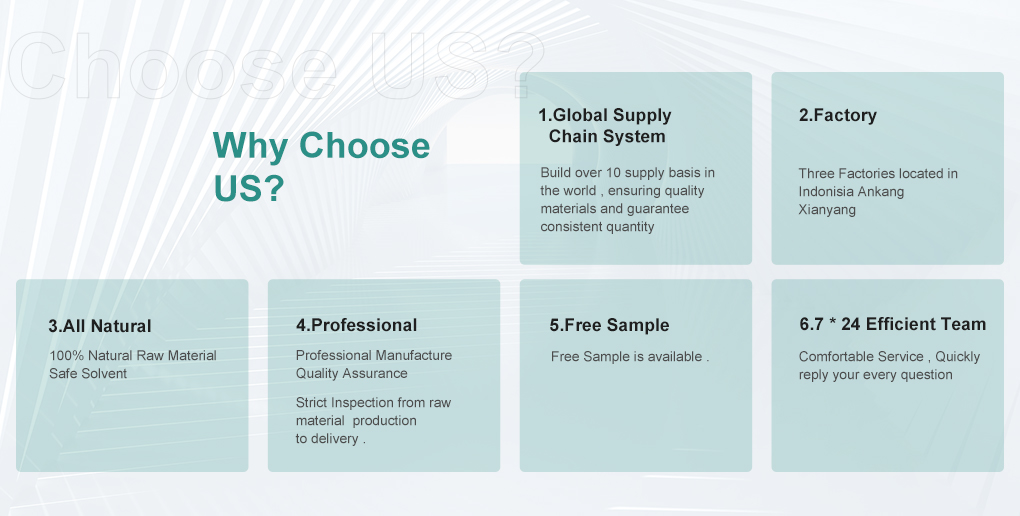
About Ruiwo:
contact us:
Address:Room 703, Ketai Building, No. 808, Cuihua South Road, Xi’an, Shaanxi, China
E-mail: info@ruiwophytochem.com
Phone: 008613484919413 0086-29-89860070
Hours: Monday-Friday: 9am to 6pm
Post time: Sep-29-2026


